Unseen and Underserved: The Realities of Aging in the LGBTQIA+ Community with KaRon Spriggs-Bethea - Episode 139
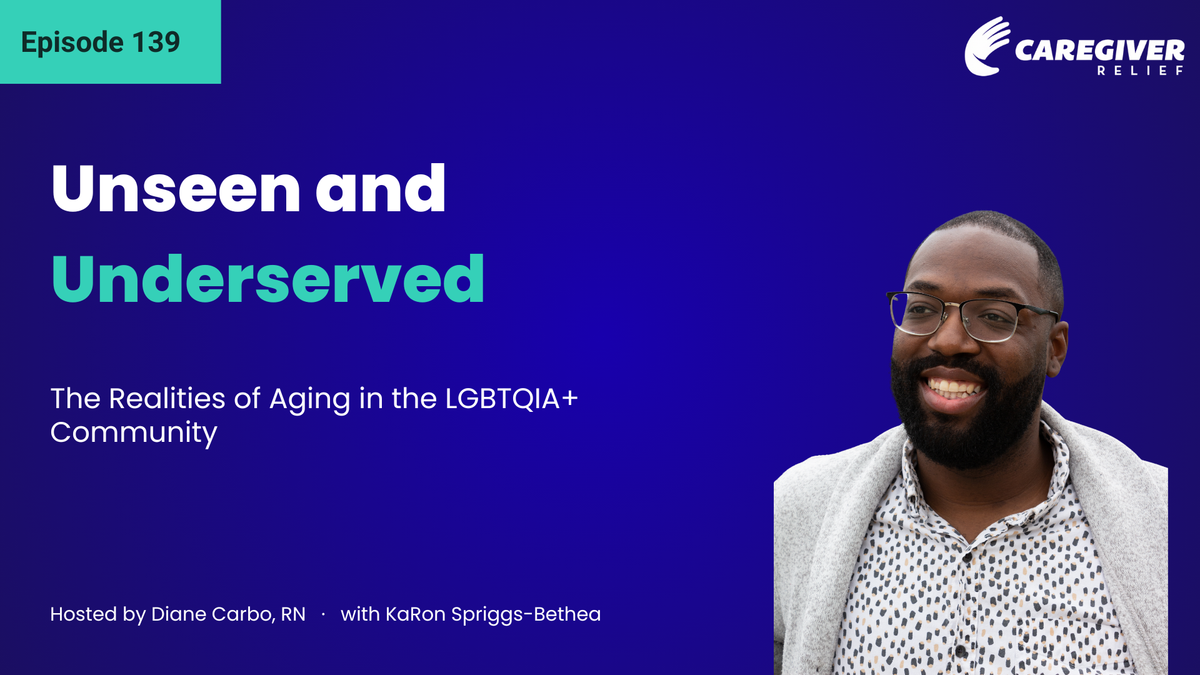
Aging is a journey filled with transitions, but for the LGBTQIA+ community, those golden years often come with a unique set of invisible hurdles. From navigating a healthcare system that wasn't built for them to the profound impact of chosen family, this episode dives deep into the resilience and the realities of queer aging.
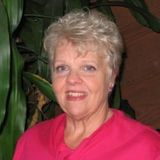
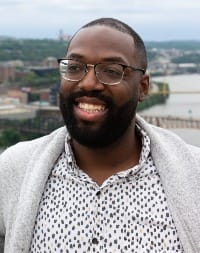
In this powerful conversation, host Diane Carbo, RN, sits down with Dr. KaRon Spriggs-Bethea, a licensed clinical social worker and advocate, to shine a light on why so many LGBTQIA+ elders feel forced back into the closet just when they need care the most.
🎧 Episode Highlights
- The "Invisible" Elder: Why LGBTQIA+ seniors face higher rates of social isolation and how systemic "isms"—ageism, ableism, and heterosexism—intersect to create barriers to care.
- The Power of Chosen Family: Understanding why traditional family structures don't always apply and why recognizing "chosen family" is critical for healthcare providers.
- The Shadow of the AIDS Crisis: Diane reflects on her time as a nurse in 1971 and the lasting trauma and resilience forged during the HIV/AIDS epidemic.
- Safety in Long-Term Care: The heartbreaking reality of elders "going back into the closet" when entering nursing homes due to fear of discrimination or abuse.
- Self-Advocacy vs. Survival Fatigue: Why many elders are "too tired from fighting" to advocate for themselves and how we can bridge that gap.
📋 Episode Outline
1. The Intersection of Identity and Aging
Dr. KaRon discusses how discrimination shifts as we age. It isn’t just about sexual orientation; it’s about how ageism and infantilization strip older adults of their dignity and autonomy.
2. Healthcare Barriers & Historical Mistrust
Many LGBTQIA+ elders have survived decades of systemic neglect. This history creates a valid mistrust of medical professionals who may lack cultural competence or, worse, exhibit blatant bias.
3. The Crisis of Social Isolation
Without traditional biological family support or children, many queer elders rely on a circle of friends that may be shrinking due to illness or loss. This leads to higher risks of depression and loneliness.
4. Moving Toward Equitable Care
What does a better future look like? It starts with Education. Dr. KaRon challenges providers and allies to listen to the "lived stories" of elders to provide truly affirming care.
💡 How to Be a Better Ally Today
"Basic human kindness is going to be so important. Bridge the gap... have a conversation." — Dr. KaRon Spriggs-Bethea
- Educate Yourself: Take the time to learn about the specific history and needs of the LGBTQIA+ aging population.
- Foster Safe Spaces: Whether you are a clinician or a neighbor, create an environment where someone feels safe being their authentic self.
- Practice Human Kindness: Break the cycle of judgment by approaching every individual with "fresh eyes" and a willingness to listen.
🔗 Connect with Our Guest
- Website: LetsTalkSolutions.org
- Podcasts: Conversations and Reflections with Dr. KSB & Empower Hour Social Work Stories
Podcast Episode Transcript
Diane: Welcome to the Caregiver Relief Podcast. I'm your host, Diane Carbo, registered nurse, and today we're diving into a critical and very overlooked topic. Aging in the LGBTQIA plus community. Our episode unseen and underserved explores the unique challenges faced by the LGBTQIA plus, older adults from navigating discrimination in healthcare and long-term care settings to dealing with social isolation and the absence of family support networks.
Joining me today is Dr. KaRon Spriggs Betheaa, a licensed clinical social worker, professor, and founder of Let's Talk Solutions. KaRon is dedicated to creating safe, affirming spaces for individuals from all walks of life, and is a passionate advocate for the L-G-B-T-Q-I-A rights.[00:01:00]
He brings both professional expertise and deep compassion to this important conversation. Together we'll explore the barriers that elders face in the LGBTQIA plus community, the resilience of this community, and how caregivers, allies, and professionals can create more inclusion supportive environments for all.
Diane: So let's get started. KaRon, thank you for joining me today. These are really heavy topics we're going to discuss, but before we do that, I was hoping you'd share a little bit about your journey into social work and what inspired you to focus on creating safe spaces for marginalized communities.
KaRon: Yeah, absolutely. thank, first of all, thank you so much for having me and having me on the show. so yeah, a little bit about myself and what got me into social work. I fell into this. I originally was going to go for political science. I was in some political science classes, was gonna go to law school, all of that and.
Then I took a class and I was like, this is definitely not for me. And my, so I started taking psychology classes and got into that, took some so sociology classes and got into that. And in my senior year of undergrad, I talked with my advisor and he's you should check out social work.
I think you would be good in that. And I went to a. Went to a open house, here at Pitt and loved it and fell in love with the program and decided that's what I was gonna do. And I honestly, the rest is this history and I really, I love that I was able to do that because one social work, you can do so much with that.
There's so many things that you can do within social work. It's not just therapy. It's not just child welfare, adult protective services. It's so many things that we can do to make a difference in someone's life. And I wanted to be the person that I may not have had growing up. Like I, my family was very supportive and all of that.
But I didn't have people that I thought were like me, so being part of the LGBTQI Plus community,I wanted to find someone that was, that I could look up to, and I didn't have that growing up. And so I, going into social work and going into the work that I do. That's what I want to be for other people, and that's what got me into being and working with marginalized populations, specifically within the LGBTQI community.
Diane: How do issues like discrimination and stigma show up differently for LB lgbtqia A plus elders compared to younger generations?
KaRon: so there's a lot of things that, that show up. So we may see things like ageism,and the ways that people treat older adults. and. There, there's sometimes this infantilization of older adults, which is very discriminating.
Yeah. there's, we want to think, we also wanna think about that intersectionality of different identities. So as you were talking about the LGBTQI plus older adults, they're gonna experience things like social, I isolation and healthcare disparities because there's not a lot of. People out there that may understand what the intersections are and what these things are that these individuals might be experiencing at that time.
and so when it comes to looking at how older adults LGBT, older adults and, younger adults may experience some, may experience different stigmas and, Biases and discrimination, things like that. It really comes down to things like systemic barriers and, again, that, that idea of ageism, ableism, all of those, a lot of those isms are going to show up, that we may already know about and we already hear.
but those. I don't wanna, I don't wanna say there's not differences, but it shows up a lot of the same things within, across populations and across ages as well. Yeah. but like I said, I think it's a lot of the ageism and ableism that's gonna show up, in the older adult population.
Diane: So what, from your perspective, what are some of the biggest challenges that l lgbtqia plus individuals face as they age?
KaRon: I think that there's the ideas of, like I was saying earlier, the social, excuse me, social isolation. Yeah. people are, people may not maybe. Passing away in, in their lives. They're losing relationships, they're losing people in their lives, living alone, being potentially being put in, in homes,to be cared for.
I think there's also aspects of the healthcare disparities and not having enough people that are. Culturally competent in the ways that individuals within the lgbtq i plus community and, older adults are able to work and what they're experiencing.
Diane: What else? I've been a nurse for over 54 years.
Okay. And I wanna tell you that, what I saw, I've been through the AIDS crisis. Yeah. I've been,I started, I, it was, I started as a nurse in 1971, going to school in West Penn, as I told you. And, I. What I saw, and I've, I witnessed with the, community, the L-G-B-T-Q-I-A community is, even our healthcare professionals are lacking in, caring or knowledge.
I see it all the time, in fact. I worked as an a, a PRN nurse. Okay. When my kids were young. Okay. That meant I, they, I got call, I call in and say, Hey, I can work this day, the shift, and if you need me, call me and I'll come in.
KaRon: Yeah. And
Diane: the agent, and I wasn't through agency, I was within the hospital, but we always were assigned the worst patients on the floor that this regular staff didn't want.
Gotcha. And so I often got the, The AIDS patients. And, I have such fond memories of some of these patients because of what they went through. And,I saw that there, the lack of family support, the lack of, the yes. Caring staff. Actually, everybody. Yeah. They people were as terrified of AIDS as they were of COVID.
Yeah. And miscommunication and stuff. And mis all that was way, it was, made to be worse than it was and people had so much. Anger, towards the community because they thought they brought it on themselves and it was just ugly. But I can tell you that I have, what I did see with the community is they came to the community came together.
And I saw the lgbtqia plus older adults or even, and because many were young with
KaRon: the parents Yeah. At that point. Yeah. Yeah.
Diane: They were showing up and they were visiting and connecting. And, one patient that I took care of just touched my heart. He was a dentist from
San Francisco that was returning home to die. He had, he was blind, had no short-term memory, and he would, record everything. We said so that he could go back and remember it. And I, my clients have, my patients have always told me, even if I can't see you, I hear you. Because they hear me laugh.
Yes. Yeah. And he really, he looked forward to me coming, because I did have that interaction where I wasn't afraid to touch him. I wasn't afraid to talk to him. I wasn't afraid. And, I think he found that. Refreshing.
KaRon: Yeah.
Diane: And,and I, and nowadays we have, many in the LGBTQIA plus. Older adults don't have traditional family support at all.
And it, it affects,it impacts their emotional and physical wellbeing so much. I see, I have a several married. Gay couples that their families have totally distanced themselves from them because they thought they were living in sin. And yes, and I. I have to tell you, I, I have many, friends and there are, I see I'm all sometimes jealous of and envious of the gay community relationships because they seem to have a better relationships.
Because maybe what they went through, than some heterosexual couples. I'll just come right out and say it. can you tell me, a, some examples of barriers that these lgbtqia plus elders encounter in healthcare or in long-term care facilities?
KaRon: I think going back to what you were just talking about of not having.
Providers that are willing to, in, in this case, the people with HIV and aids, like not be, not wanting to touch them or anything like that. Yeah. so I think that's a big thing, is not having people that are informed of Yes. what that looks like, but also informed in that regard of people are people.
Just because they're, just because they're, they identify LGBTQI plus doesn't mean they're not a person. and so yes, they have unique, we all have unique aspects that, that we come in with and we need to express, but we need to be able to. Have providers that are willing to listen, willing to be open to have those conversations.
Yeah. I know there, there's been some situations where someone has gone into the hospital or they've gone into a care facility and they're not the facility or the hospital isn't open to having the conversations of what family looks like. Who, who is your family? it can like. Chosen family is huge.
Yes. and so not understanding what that looks like can be a huge barrier to treatment and to pe to people talking to their providers about, about certain things. and being willing and open to have those conversations because, oh, you're not gonna recognize that this person is either my partner or this person is what I consider to be family.
I think that's, that, that's a big, gonna be a big part of it is learning what those things are.
Diane: I agree. I, you know what, it shocked me because I thought we were further along in, in our culture That, I would have, I've had gay clients, that's a dog, sorry. that, were married or before.
Gays were, permitted to be married a according to in the law. that they, their spouse or their partner wasn't allowed in to visit them or, yeah. 'cause it wasn't included as family. And that just makes me sad that you have this relationship with somebody and, and it's. The other, the healthcare system ignores it.
I've seen it in nursing homes too, where
KaRon: abs Absolutely,
Diane: yes. They've actually had to hide. Their,their relationship because it wasn't accepted. Yeah. In their, in the nursing home community. And I'm like, oh my, that's terrible. Because we are all people. We all wanna be loved, we all wanna be touched, we all wanna be acknowledged.
And to take something like that away, especially at a time when you're declining or not
KaRon: Or
Diane: unwell. It is, it just mentally, physically. Challenges your whole being.
KaRon: Yep. It does. It does. and that's, I think that's a huge, that could be a huge barrier too, is that if we are. Having to hide things or, have to live in this isolation that can take a toll on our mental and physical health and not being able, like I, there was a documentary that I would show my students and I cannot remember the name of it, but it was.
This conversation exactly of What is going on? What happens when people LGBTQI plus older adults go into, care facilities in particular? Yeah. And how they have to go back into the closet because they don't feel safe or they can't feel cared for in those places and live authentically themselves.
Because they're not sure what those, what's gonna come out of that, or how they're going to be treated in those facilities.
Diane: Yes. I, that really, it really truly shocked me because, one of my very first patients as a student nurse was a man who was transitioning to be a woman.
KaRon: And,I found him fascinating because it was my first interaction. Here I am 17 years old, and,I knew nothing about it and it was just fascinating me to learn And, We had interesting conversations. So I didn't find, and I was raised Catholic, but I did not find him to be offensive.
Diane: I did not find him to be, anything but trying to, he would call his mother every day and talk to her and she would at least she loved him. that was really important. 'cause so many, their parents just disown them and, which I don't understand, how you could disown your child, but, So I guess I've been more open all my life about it, so I, and I was shocked and I have, in healthcare, you can't help but have gay friends. You just can't because they're, it's a caring profession. But along with that are people that are providing care that are closed minded, bigoted, and, against anything that is out of what they consider norm in our
KaRon: And it, it's frightening because, you don't know how. You're going to be treated, I know in right.
One
Diane: situation I had, it was in, in Philadelphia, commu home, nursing home where the patient was dropped intentionally. And the patient, he was part of the LG G-B-T-Q-I-A elders. And, he was given cold showers.
He, they were cruel to him. And it, I was shocked. Of course, here I am. I discovered this while I was making rounds and I'm the outside.
KaRon: Okay, nurse. Yeah. Yeah. And when
Diane: I brought it up to the facility, I reported it. I was never allowed to return to that facility. That shocked me. 'cause there was such abuse going on and I know that it's going on today and that's why I thought it was so important we have this conversation.
KaRon: Absolutely.
Diane: I, social isolation is a huge concern
KaRon: For
Diane: this aging population, but it's even more intense for the lgbtqia plus elders. what other factors contribute to that?
KaRon: to like the, to social isolation.
Diane: Social isolation. Yeah.
KaRon: I think that there's levels of, yeah, the, there may be, individuals that may not have children, so because they don't have children. Yeah. there's not, There's not that support there. Yes. as you talked about the family system, yes. There's not that biological family system.
There may be some, there may be some chosen family, that they have. But again, if they've grown up together and they're all the people that they've surrounded themselves are with, are all elders. They may be losing them to death, to sickness, to these other aspects. Or they, again, they're going into these care facilities and potentially losing touch with the people that, that they may have had interactions with.
Outside of that facility, may be likely to live alone as well and not. Feel comfortable with going out or meeting other people or anything. Anything like that. So I think that plays a huge role in the ways that social isolation are seen in this population.
Diane: I have a very dear friend who's. Her partner passed, and she's the past four year, it was before COVID. Then she went through COVID and she's terribly lonely, but she's afraid to go out into the community because she's, we're down south here, and she's afraid of being judged or, yeah.
In some way. And, I feel bad because I can't help her to get out. I've given her some ideas and places to go and even I have, some gay friends that said, oh, we do trivia. Come and Have her come, where she would feel very safe in that community. And, It's just this, getting over that fear.
And she was a healthcare professional and okay, she knows what went on in the hospitals and stuff. So she has that fear and it, it's really sad because again, her family has disowned her and they never had, she never had children. And,it's very isolating.
KaRon: Yeah. and some, something I want to add to this too is, stigma.
Stigma plays a huge role in this. So this the stigma that, older adults,or stereo stigma, stereotypes, anything like that, that older adults are not, Attractive or,they're doing, they, why are they out there? excuse me. Why are they out here doing these things and Yep.
And things like that, that can contribute to that social, isolation. I don't want to go out and just like your friend. I don't wanna go out and put myself out there because I don't know what is waiting for me out there. Yes. Even though there might be people that she can connect with.
Yes.
Diane: Yes.
KaRon: That fear of being judged and being stigmatized in the community, outside of the community, yes, is what keeps people in fear and will continue to isolate.
Diane: Yes. and that's what I see with her and many others, that have lost a spouse. Or a partner. And,the isolation, one of the things people my listeners may not realize that, depression and suicide in people over the age of 65.
Is, the second highest, level of suicide attempts under the veterans that commit suicide? 22 days. Yep. 22 a day. and we're getting there and a lot of it has to do, and I'm sure that community, the L-G-B-T-Q-I-A adults are a large part of that because they are so socially isolated.
And as anybody that grows older, I'm 72 and I already have. Family members, siblings. I lost a son. we lose our friends as we get old. Yeah. And you get your circle of friends gets smaller and smaller. And not everybody in the L-G-B-T-Q-I-A elder's community has a big circle anyway.
So one loss is really. It can make a
KaRon: huge difference.
Diane: yes. So how can caregivers and allies help address loneliness and foster community for these adults?
KaRon: Yeah, so I think a big part of it is we, as we as caregivers, has helping professionals we can try to foster and bring about and bring people together.
can we do some groups? can we provide some safe space that could be in a care home or a community center or, anything like that. what does that look like? Or like for me, I'm a therapist so I could put together a group that focuses on. Social skills and things like that for LGBTQI plus older adults.
I think that the other thing that we have to think about is accessibility. How can we,we're in a time where technology, telehealth, things like that are huge. Yes, it makes things more accessible for people, but sometimes older adults generally may not know how to use technology percent in a way that is beneficial for them.
Yes. And so that might, that can be a huge barrier. So can we create these spaces where, yes, maybe we do something online, but what does it look like for us to be able to help people? Find those things online,and provide that, that space. I think it's, I think it's also just building community with people connect like what you were trying to do with your friends.
Yeah. I know some people Would you like to, would you like to meet them? It's not not so much like I'm setting you up with someone.
Diane: no. I wasn't trying to do that at all. Yeah.
KaRon: I know some people that you want to get out, they do some things that could help you feel more comfortable getting out.
And I trust these people as well. Yes. So using, we can use our natural supports to help build that community with clients as well, or with just people in general as well.
Diane: What I've learned from the lgbtqia a plus community, not just the elders, but their youth is, despite the challenges, they are incredibly resilient.
I saw it during the AIDS crisis. I saw, at a time when we seriously lack. A sense of community in our society anymore. the nuclear family and all the extended family members are not living within a 25 to 50 mile radius of where they were born. Now we're living all over the world and Yeah.
or in different states and stuff. So it's, we've lost our sense of community and it's really sad and it's impacting how we're aging. Not just for, your, the community, the l lgbtqia a plus elders, but for seniors in general.
it's terribly lonely. There's too a lot of, ageism out there.
KaRon: Yes. can you
Diane: share examples of, strengths or coping strategies you've seen in your work, in your community?
KaRon: So I think that
some cope, let's see, some coping strategies that we could use or that has worked.
Diane: Okay. one of the things that I see with the coping strategies is they don't, for the most part, I know as you get older, 'cause I feel it too. You get tired and from challenges in life and you just don't wanna get up all the time.
And, I, what I see with the, your community that I don't always see. In other communities is they actually, there's a lot of support until, for them in, if they stay within, if they stay connected, but it's losing that connection that's really hard. And I wanna, I always encourage, approach aging and with self-advocacy, but I find that with, the LG.
B-T-Q-I-A plus elders, they have a hard time feeling safe. self, a advocating, advocating for themselves.
KaRon: Yeah. Yeah. Do you
Diane: find that as well?
KaRon: and Yes, and I think that is, that can be indicative of a lot of marginalized populations as well. and I, I. Think that it has to do with,
I think it, I don't wanna say has to do with, I think it depends on where someone is. Okay. Geographically especially. Yes. Yes. and like physically, where are they? Are they in a hospital or are they in a nursing facility? Are they. In their own community, in a rural area, anything like that.
because one, they may not know what's even available.
Diane: Yes.
KaRon: Two, it may be that,
Diane: yeah,
KaRon: I just don't feel safe because I don't know how others are going to take this.
Diane: Yes.
KaRon: and to your point, I'm just so tired from fighting. And from all these challenges, I don't even want to say anything. 'cause that puts added pressure and added stress on me.
Yeah. And some, something that I say to, to a lot of people, that they have this mentality is, do you think about it in this way? Short-term pain for long-term gain Versus more longer term pain. In short term gain.
Diane: Yeah.
KaRon: Yeah. And a lot of times that's where we're at is with the latter.
I am gonna be content because I feel comfortable and feel safe here right now. And I don't even wanna say safe. I feel comfortable, I feel familiar with this.
Diane: Yeah.
KaRon: But later on down the line, it can, it doesn't get any better.
Diane: Yeah.
KaRon: And so we have to. I think as professionals, we have to foster a space like we can be that per that person, that's that organization, that system that helps people to feel that safe, helps people to feel like they can advocate.
so as a clinician, I am constantly leaving things open for people to be able to say. Hey, this is not working. And when they do bring something up to me, thank you so much for saying that this was helpful. How can we change this? What can we do to change this so that they can build that confidence in self, in that self advocacy to be able to start saying that to other people.
And sometimes that's a lesson that I do with people just to see how can we. How can we make sure, not just here in this space that we're in right now? Yeah. But with a family member, with this doctor, with friends that I'm self advocating and saying things so that I'm not feeling left down, let down or left out or anything like that.
Diane: Our prison healthcare system is so broken that seniors are ignored. Just across the board, that actually adds to the issues that Yeah, if you're already feeling like you're marginalized and discounted and dismissed, you take that personally when a lot of times it's just, we have a screwed up healthcare system right now that is just harmful.
You have the, you have a podcast, let's talk solutions. Is that,
KaRon: so it's called, excuse me. It's called Conversations and Reflections with Dr. KSB. Okay. so that, that is, so I actually have two podcasts, one that I do personally, Uhhuh, and then one that I do with the school that I work for, the university that I work for.
The one that I do personally is Conversations and Reflections with Dr. KSB. and that is where I just, I talk about. Anything that is relevant to self-reflection. things that are going on. the first couple episodes are really just thinking about, yeah, how I've come to. Where I am now.
and really throwing some things out there around, around reflection. And then the other one, the one that I do for the university that is called, empower Hour Social Work Stories. And that is I bring on guests that are usually social workers, but I'm also looking at people who have, who have lived experience in different aspects that can talk to.
What they do and especially when, if it's a social worker, what can social workers do in this, in the profession. Yes. and really talking about and giving that aspect to students. Future social workers, current social workers, current individuals that, that really want to get into the profession.
Diane: I find social work to be very. Hard because the resources are so limited out there.
KaRon: And the
Diane: needs are so great.
KaRon: Yeah.
Diane: I,I did discharge planning and care management.
KaRon: Saw
Diane: the disparities with, those that didn't have healthcare insurance and those on Medicaid. And,it just shocked me.
I learned a lot over my 54 years about. Things, like that, the disparities, the marginalized, communities. Yeah. And, the challenges we face as a culture on provider. Care that's needed. how, like what steps can healthcare providers, policy makers, or even caregivers take to make aging more equitable and affirming for the LGBTQIA plus community?
KaRon: I think the biggest thing,
Is going to be education,
educating yourselves, getting information about the LGBTQI plus aging population. What are the types of things that, that a person within that community may experience? What are things that I need to look out for? what are the barriers that come up? what is the, what are, what's the history behind maybe the mistrust in the health system or even just different systems that people.
people are in,that's gonna be so important, especially when it comes to care caregivers and healthcare providers or just providers generally. Mental health, physical health, all of that for policy makers. I think it's, I think it's listening to people, listening to the stories that people are telling, listening to.
the, again, the history. Yeah. Looking at the history and saying, what does this, if I'm trying to put this policy through, and it may particularly have to deal with the LGBTQI plus population generally, or adults generally, or those intersections of different identities. how does this look, what does this look like from in the past?
Is this something that would add levels of discrimination, stigma, levels of, ageism, sexism, heterosexism, all those sort of things. Listening to those stories of what people have experience so that they can use that emotion to. I don't wanna say make a decision because we don't wanna make decisions on emotions, right?
But make listening to what those stories are and understanding that, as I said earlier, people in this population are humans as well. Yeah.
Diane: I think that's the way I approach every client or patient I've ever had. I didn't care what color you were, I didn't care.
what religion you were, I was looking at you from with fresh eyes.
And I feel that anybody who comes into my life, even for it's a brief moment at a grocery store. People have something to share or offer me. Yes. If I take the time to look Exactly, and I have, I see we have a lot of closed-minded, people or,I will say religious zealot sometimes that miss the point that God.
Makes everybody, and, he made this person whoever however they are, and they're, and they have different lived experiences from us. And, I think people discount that those lived experiences, a lot. And they make us who we are.
KaRon: yes. Those stories are what make, and that's what makes up the history of.
Yeah. the different populations, society as a whole,the world generally. the, those stories are what makes us who we are.
Diane: Yeah. I look back at my friends, rose and Joyce, both their past now Rose was a, An Italian and her family disowned her and Joyce's family was more accepting, but they had all died.
So when they both got ill, it broke my heart because they had, they didn't have the support. Now what they did have was a lot of good friends. Yeah. All in a Greyhound community. They, we all had greyhounds so Nice. Yeah. And we had. we had many things in common, and, we did things together as friends.
So when they were going through the, their death and dying and decline, they were well supported by neighbors and family. Their,what do you call it? Chosen family.
KaRon: The chosen family,
Diane: I love that because,we can't pick our family, that we're our biological family, but we sure can pick other people in our lives and I find that, makes our lives interesting and I think we just need to all get back to being basic. Human kindness to people, anybody, no matter who they are, where they're from, it's just, and I think that we've lost that in our culture, our society. Absolutely.
KaRon: Absolutely. Absolutely.
Diane: Yeah.
Lauren, for listeners who want to be better allies, what's one action they can take today to support the lgbtqia plus elders in their communities?
KaRon: I'm gonna go back to the education.
Diane: I agree. I agree. I'm gonna
KaRon: go back to that education. I think it's, it like if, if you know there's someone in your, or in education and approaching someone, talking with someone, if you know someone is, LGBTQI plus in your community.
Yeah. Elder or youth, anyone have a try to have a conversation with them. Bridge that gap between what's going on. And where you are, have conversations with people that basic, human not competency, basic human kindness.
Diane: Yes. Yeah.
KaRon: Is going to be so important.
Diane: One of the things that I love as being a nurse is I love learning about people.
KaRon: Yes.
Diane: One of the sad parts about our healthcare system now is nurses aren't able to do that. They're in their out and,they're not getting to know or even taking time to learn about a person. So I think making judgements about a person is yes. So much easier because they're not humanized to the person.
And I never let that happen. I al I don't care. You could be the crotchet old, crankiest old man in on the unit and you were, I'm sure I was the one that was gonna get you.
And, I was gonna find something positive about that experience that I had too. Yeah. And
KaRon: that's a bit that being open-minded as well.
Diane: yes. I agree. Open,
KaRon: open, open your mind to these new experiences.
Diane: how do my listeners find you?
KaRon: So you can find me on LinkedIn, KaRon, Spriggs, Bethea. You can find me there.you can also look at my website. Lets talk solutions.org. you can also check out the podcast anywhere you, get your.
Listen to your podcast.
Diane: Oh, I create a permanent page on my site with connections and all your content are, or your links to all that will be at the bottom of the page as well as in our show notes.
KaRon: sounds good
Diane: to my family, caregivers out there, you are the most important part of the caregiving equation.
Without you, it all falls apart, so please learn to be gentle with yourself. Practice self-care every day because you are worth it.
Caring for a loved one can be overwhelming — but you're not alone. If you have questions, big or small, our expert team is here to help.
👉 Click here to Ask the Expert
Our Resource section can help you find the information and tools that you need. We have courses, videos, checklists, guidebooks, cheat sheets, how-to guides and more.
You can get started by clicking on the link below. We know that taking care of a loved one is hard work, but with our help you can get the support that you need.
Click here to go to Resource Section now!