Unseen and Underserved: The Realities of Aging in the LGBTQIA+ Community with KaRon Spriggs-Bethea - Episode 139
Aging is a journey filled with transitions, but for the LGBTQIA+ community, those golden years often come with a unique set of invisible hurdles. From navigating a healthcare system that wasn't built for them to the profound impact of chosen family, this episode dives deep into the resilience and the realities of queer aging.
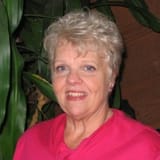
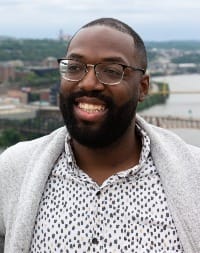
In this powerful conversation, host Diane Carbo, RN, sits down with Dr. KaRon Spriggs-Bethea, a licensed clinical social worker and advocate, to shine a light on why so many LGBTQIA+ elders feel forced back into the closet just when they need care the most.
🎧 Episode Highlights
- The "Invisible" Elder: Why LGBTQIA+ seniors face higher rates of social isolation and how systemic "isms"—ageism, ableism, and heterosexism—intersect to create barriers to care.
- The Power of Chosen Family: Understanding why traditional family structures don't always apply and why recognizing "chosen family" is critical for healthcare providers.
- The Shadow of the AIDS Crisis: Diane reflects on her time as a nurse in 1971 and the lasting trauma and resilience forged during the HIV/AIDS epidemic.
- Safety in Long-Term Care: The heartbreaking reality of elders "going back into the closet" when entering nursing homes due to fear of discrimination or abuse.
- Self-Advocacy vs. Survival Fatigue: Why many elders are "too tired from fighting" to advocate for themselves and how we can bridge that gap.
📋 Episode Outline
1. The Intersection of Identity and Aging
Dr. KaRon discusses how discrimination shifts as we age. It isn’t just about sexual orientation; it’s about how ageism and infantilization strip older adults of their dignity and autonomy.
2. Healthcare Barriers & Historical Mistrust
Many LGBTQIA+ elders have survived decades of systemic neglect. This history creates a valid mistrust of medical professionals who may lack cultural competence or, worse, exhibit blatant bias.
3. The Crisis of Social Isolation
Without traditional biological family support or children, many queer elders rely on a circle of friends that may be shrinking due to illness or loss. This leads to higher risks of depression and loneliness.
4. Moving Toward Equitable Care
What does a better future look like? It starts with Education. Dr. KaRon challenges providers and allies to listen to the "lived stories" of elders to provide truly affirming care.
💡 How to Be a Better Ally Today
"Basic human kindness is going to be so important. Bridge the gap... have a conversation." — Dr. KaRon Spriggs-Bethea
- Educate Yourself: Take the time to learn about the specific history and needs of the LGBTQIA+ aging population.
- Foster Safe Spaces: Whether you are a clinician or a neighbor, create an environment where someone feels safe being their authentic self.
- Practice Human Kindness: Break the cycle of judgment by approaching every individual with "fresh eyes" and a willingness to listen.
🔗 Connect with Our Guest
- Website: LetsTalkSolutions.org
- Podcasts: Conversations and Reflections with Dr. KSB & Empower Hour Social Work Stories
Caring for a loved one can be overwhelming — but you're not alone. If you have questions, big or small, our expert team is here to help.
👉 Click here to Ask the Expert
Our Resource section can help you find the information and tools that you need. We have courses, videos, checklists, guidebooks, cheat sheets, how-to guides and more.
You can get started by clicking on the link below. We know that taking care of a loved one is hard work, but with our help you can get the support that you need.
Click here to go to Resource Section now!