Understanding Stroke: What You Need to Know to Protect Your Brain with Rosa Hart BSN RN SCRN - Episode 115
What if you could prevent a life-altering medical emergency? Statistics show that an astonishing 80% of strokes are preventable, yet it remains a leading cause of disability and death. The key to protecting yourself and your loved ones lies in understanding the risks, recognizing the signs, and acting without hesitation.
In this critical episode of the Caregiver Relief Podcast, host Diane Carbo is joined by Rosa Hart, BSN, RN, a Stroke Certified nurse, speaker, and podcaster. Rosa shares her invaluable expertise from years of working with stroke survivors, breaking down everything you need to know—from the two main types of stroke to the lifestyle changes that can save your brain.
Don't wait for a crisis. Press play to learn how to be prepared and proactive about brain health.
What You'll Learn in This Episode 📝
Here’s a look at the essential topics Rosa and Diane cover to empower you with life-saving knowledge:
- What Exactly IS a Stroke? 🩸
- Learn the difference between an Ischemic stroke (caused by a clot or blockage, accounting for about 90% of strokes) and a Hemorrhagic stroke (a bleed in the brain).
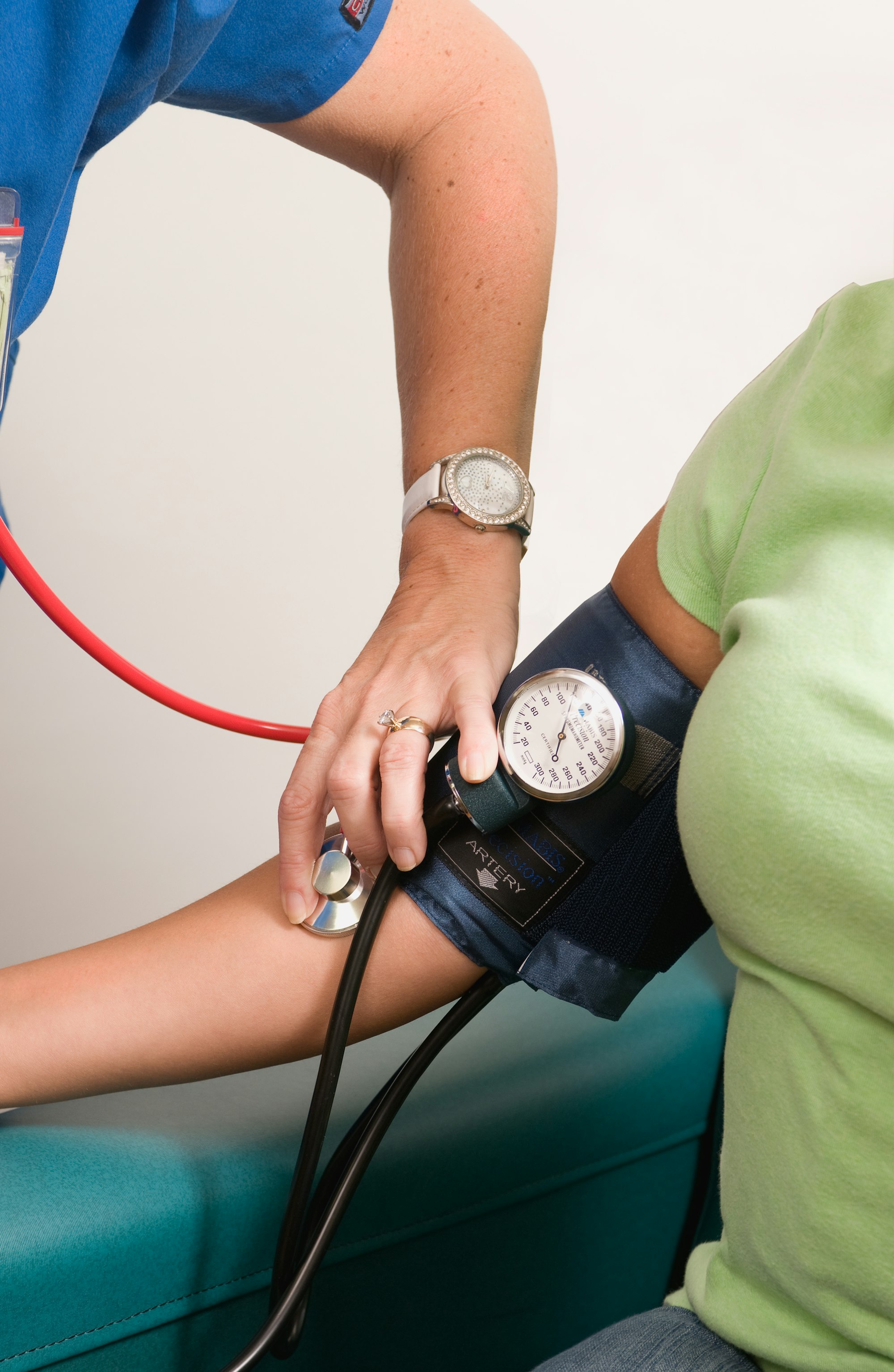
- Discover the single most important thing you can do to prevent either type: managing your blood pressure and keeping it under 130/80.
- Know Your Risk Factors (The Controllable and the Uncontrollable) 📋
- Modifiable Risks: You have the power to change these! This includes high blood pressure, cholesterol, obesity, smoking, nicotine use (including vaping), alcohol consumption, and activity level.
- Diabetes Alert: Did you know that having diabetes doubles your risk of having a stroke, regardless of other factors?.
- Non-Modifiable Risks: These are things you can't change, like genetics or certain anatomical structures.
- BE FAST to Save a Brain! 🚑 A stroke's warning signs are sudden. Knowing the BE FAST acronym can help you spot one in yourself or others and act immediately.
- B - Balance: A sudden loss of balance or coordination.
- E - Eyes: Sudden change in vision, like blurred, double, or loss of peripheral vision.
- F - Face: Facial drooping or numbness on one side.
- A - Arms: Weakness or numbness in one arm.
- S - Speech: Slurred speech, difficulty speaking, or saying words that don't make sense (a "word salad").
- T - Time: Time to call 911 immediately! This can also stand for a Terrible Headache, especially a "thunderclap headache" that comes on instantly.
- "Mini-Strokes" are a MAJOR Warning ⚠️
- A Transient Ischemic Attack (TIA), often called a "mini-stroke," is when stroke-like symptoms appear and then resolve.
- This is NOT something to ignore! A TIA is a massive warning sign that a major stroke could happen soon, often within the next month. It’s your second chance to find the cause and prevent a larger event.
- Prevention is Your Best Defense 💪
- Diet: The Mediterranean diet is scientifically proven to be neuroprotective. Focus on healthy fats (like fish), fresh fruits and vegetables, and limit sodium and sugar.
- Lifestyle: Quit smoking and vaping. For women, be aware that hormonal birth control containing estrogen can increase stroke risk, especially when combined with nicotine use.
- Movement: You don't have to run a marathon. Simple changes like parking further away or taking 10-minute walks throughout the day make a huge difference.
- A Message for Caregivers 🙏
- Caring for a stroke survivor is incredibly stressful, which increases your own risk for a stroke.
- Do not skip your own doctor's appointments. Prioritize your diet, sleep, and mental health.
- Seek out resources like respite care and support groups. You cannot pour from an empty cup.
Hope After a Stroke ❤️🩹
One of the most powerful parts of the conversation is when Rosa shares an inspiring story about a stroke survivor and her husband. The survivor was terrified to sleep, fearing she wouldn't wake up or would have another stroke. By listening to a podcast episode on emotional coping together, her husband learned how to validate her fears and support her, strengthening their relationship and helping her find peace. It’s a beautiful reminder that recovery is both physical and emotional, and connection is key.
Ready to learn more? Listen to the full episode for an in-depth discussion that could protect you and the ones you love.
More from Our Guest, Rosa Hart
Find links to all of Rosa's work on her website, nurserosaspeaks.com.
Listen to her podcasts:
- "Stronger After Stroke" for Norton Neuroscience Institute
- "Nurse Rosa's INsights" on Health Podcast Network
- "Aging Like A Pro" for the Evelyn F. McKnight Brain Institute, University of Miami Miller School of Medicine
Her work and advocacy also include:
- Fellow, Leadership & Advocacy Academy, Kentucky Nurses Association
- Chair, Ethics & Human Rights Committee, Kentucky Nurses Association
For additional resources and support, visit the American Heart Association at stroke.org.
Podcast Episode Transcript
Diane: Welcome to the Caregiver Relief Podcast, where we shine a light on the challenges and solutions facing today's family caregivers. I'm your host Diane Carbo, a registered nurse with over 50 years of experience helping families navigate the aging journey.
Diane: Today's episode is a critical one. We're talking about strokes, what they are, how to recognize them, and most importantly, how to prevent them.
I'm joined by the incredible Rosa Hart, BSN, RN and a nurse. Stroke Certified rn. She's a speaker, a podcaster, and not for-profit. Founder Rosa brings years of experience in working directly with stroke survivors and their families, and she's here to help us. All better understand the signs, the science, and the steps we can take to protect our brains.
Whether you're a caregiver, a healthcare professional, or someone concerned about stroke risk, this conversation is one you won't wanna miss. Rosa, thanks for joining me today. I know you've had a very long day and it's the end of the day and I'm really appreciative of you taking your time to share this information.
So let's start with the basics. What exactly is the stroke and how does it affect the brain?
Rosa: sure. And thank you Diane, for having me. It's an honor and I'm just so happy to be here and talk to caregivers. you and I have been caregivers. And, we get to go home at the end of the day a lot of the times.
And some people don't get to do that 'cause that's their life. So yes, I'm more than happy to do anything I can to support that, whether it's through education or, identifying available resources. the first question was about what stroke is, right? Yeah. So there are two overall two kinds of stroke.
There's ischemic, which is caused by a clot or a blockage of blood flow, preventing blood flow. Then there's hemorrhagic stroke, which could be a bleed in the brain. And sometimes blood can be in the brain because of an injury. and that's not technically a hemorrhagic stroke. Hemorrhagic strokes are usually caused, without an injury.
So that's a differentiation. about 90% of strokes, I believe, are ischemic. So that's what we'll spend most of our time. Talking about. Okay. But the number one thing you can do to prevent either is manage blood pressure and keep it, under one 30 over 80.
Diane: that's one of the things that people don't understand that it is preventable.
Yeah. so what are some of the most common risk factors for stroke and which ones are preventable?
Rosa: because some things are preventable or modifiable and some things are not. Like you can't help your genetics necessarily if you're born with anatomy that is structured differently, that makes things harder that you can't control that necessarily.
But things that we can control. Our blood pressure and cholesterol or obesity or smoking or other use of nicotine like products, use of alcohol, activity level. And diabetes is a really big one. I didn't
Diane: know that.
Rosa: Yeah. So if you are diabetic, you're twice as likely to have a stroke no matter what your other risk factors are.
Wow. It's stressing Yeah. That when your body is outside of, homeostasis, it's stressing all of your body and all related, and I was talking to an endocrinologist the other day and like one of the, One of the telltale signs that you might be trending towards Diabe diabetes is having an elevated blood pressure.
Because when something is going wrong in your body, the other parts of your body try to compensate. yes. it really is all connected.
Diane: so most people don't recognize the early warning signs. What are some symptoms people, and even caregivers should watch for?
Rosa: you said early warning signs and I wanna be clear that the telltale signs of stroke are sudden.
okay. when things come on gradually, then that can. Be caused by something usually that's not a stroke, right? stroke-like symptoms can be caused by mimics like a sudden drop in blood sugar can cause some stroke-like symptoms, but it wasn't that sudden. And you can feel it coming on, for example, right?
we use B FAST to know the signs of stroke, and B is for balance. A sudden change in balance. You might be a little wobbly all the time, so this would be a sudden change from whatever your normal is. Yes. Then E is for eyes a sudden change in vision. It could be per loss of peripheral vision. It could be blurred vision, it could be double vision.
And something with these is a lot of the times the person having the stroke and showing these symptoms is not aware. They have something called agnosia, which is, they don't know it's happening. Yep. So it's really important for us to all know the signs of stroke so we can recognize it in other people.
So if you notice someone. Is acting like they can't see something that normally they would be able to see. They may not be aware of the change, so it's up to us to pick up on that.
Diane: I, I worked at Sister Kenny Institute in Minneapolis. And worked with many stroke victims. And I was young in those days and, in my thirties and my, I, my mother-in-law was, an older woman who, was retiring.
She was a head bacterial head of the lab at a hospital in Indiana. Anyway, she moves into this new house. they're all excited to be there. It's one of the. A manmade lake. It's gonna be a peaceful place for her to do her cooking and baking and reading. And as I'm, I'm, she's sitting at the dining room table looking out over the lake, just enjoying it.
and she's a vicarious reader, voracious reader. And, she was enjoying her reading while I'm unpacking boxes and putting stuff away. And she says to me, Diane, I can't see. My, my vision's all blurry. I, we rushed her to the hospital and it had, it, it resolved what it was, I guess was A-A-T-I-A.
and I also had a friend that was driving an older woman who was driving her big one 50 pickup truck. And I'm on, I'm, I visited her, a couple times a month to make sure she was okay. And as we're driving. She starts ta she was talking to me and all of the sudden it became slur, slurred speech uhoh.
And I was like, oh my God. and you're right. She, neither one of them realized what was going on, except my mother-in-law knew she couldn't read, but she didn't correlate that it could be a stroke or that it was an emergency or that it was emergency. Yes. So here I am. I tell, I, I get my, my. My friend Charlotte, who is was in her late seventies, early eighties, I said, Charlotte.
Can you pull over? And she was able to slow down to the point where I could take over and I stopped, pulled over. I got out, moved her over and took her right to the hospital.
Rosa: Oh, good.
Diane: And it, she had, she told me later, she had several TIAs, oh, know what they were trans ischemic attacks, but they resolved before, So she ignored them. I'm like, ah.
Rosa: But we're able, we'll definitely focus on some transient ischemic attacks because that is something that I really want people to understand the significance of as well. 'cause you're right, that's something that we can't just think, oh, it went away and it's never coming back.
I'll finish the BFAs real quick so that, we go over all the signs, but those are great examples in from real life of, yes. The speech change and the vision change out of nowhere, right? It just came on suddenly. so in bfa, F is for face. Some people get a facial droop on one side, or they'll have a loss of sensation or tingling on one side of their face.
A is for arms where one arm is weaker than the other, or there's a loss of sensation on one side, and a sudden onset of one sided weakness is a pretty clear sign of a big stroke. Then s, as you mentioned, is for speech, and it could be slurred speech, or they might be saying words very clearly, but it's like.
What we call a word salad, where those words don't work together at all. And they don't even know that's what's happening. They're like, why do these people not understand me? Yeah. Or, they don't understand what is being said to them. It's all like WWWW and they're like, why does no one, why is no one else able to talk?
Right now. Yep. and then, t is for time. Where time saved is brain saved, or it could be for terrible headache. there's a type of hemorrhagic stroke called the subarachnoid hemorrhage, and the telltale sign of that is a thunderclap headache. Where it comes on suddenly and you're, it's followed by the worst headache of your life.
Even if you're a chronic migraine sufferer, this would be new and different. And for any of these stroke signs, you wanna call 9 1 1 so that they can get you to the level of care hospital that can treat you appropriately.
Diane: So can you explain why acting fast is important during a stroke? Because people just.
Don't seem to think, see urgency in that. and
Rosa: before 1995, if you had a stroke, then it was sucks to be you we're gonna roll you over in the corner and I'm sorry you're stuck that way, Uhhuh. we didn't have a way to reverse it before that, but in 1995, the NIH did a trial using Alta Place, which is a clot busting drug that can be given iv.
And it can break up the clot in that ischemic stroke, restoring blood flow, and restoring all that function. And I've seen this happen over and over again. I've worked with stroke patients for over 12 years now, and to see the. Parts of their body come back online. Essentially it's sometimes it's like a switch is flipped and sometimes it's more gradual.
And yeah, every now and then, it doesn't work like that, but we have the potential to reverse it with that or a neurosurgical procedure if it's caught super quickly. The IV medication's only available within four hours or so. After the first sign of the stroke is coming on. And then, they can do the neurosurgical intervention up around till about 24 hours, depending on what the brain scan looks like.
But it's not something to go to sleep on and wait till the next day to see if it's better, because by then it may not be reversible.
Diane: Yeah. What does the stroke treatment process look like from emergency response to hospital care?
Rosa: So when you, as far as if you call 9 1 1 what to expect? yeah.
What would you ex could they expect? in a good scenario, I would expect and the EMS team to come to the scene, do an assessment and see if what you are. Experiencing is stroke-like, and that will help them decide where best to take you. They should also be taking your blood sugar to see if, like we talked about, you're showing stroke-like symptoms due to some other imbalance that you're having.
they'll also take your blood pressure to, and usually if you're having a stroke, it'll be a high blood pressure. they will also start doing some lab works to check other things. they'll try to find out what. Your medication history is, it's very helpful to know if you're on a blood thinner.
People who are on a blood thinner are not able to get the IV medication usually. And things like that, once they get to the er, they should be rushed to get a brain scan or to, and then if they're eligible for that neurosurgical procedure, they may have to go to the OR for that intervention. And then if they get the IV medication.
Or the intervention, they'll need to spend at least a day in the hospital monitoring. and then they'll need an assessment from physical, occupational, and speech therapy to see if their stroke symptoms require more of that rehabilitation to get their function back as much as possible.
Diane: You were saying that the ischemic strokes are the most common.
And, I'd like you to address that more and talk about, what the signs and symptoms are and what that, the TIAs, what that means.
Because people think it's a mini stroke and it's nothing when they don't realize that it's something bad.
Rosa: In the circles I run in, we don't even use the term mini stroke.
'cause you either had a stroke or you didn't as far as Exactly, there is either evidence of brain damage on the scan that was done. The CT or MRI. Yeah. Or there is no visible evidence on the brain scan of dead tissue, which would be the stroke or. Blood in the brain in the case of the hemorrhagic stroke.
a TIA is a transient ischemic attack. And the word transient mean It can, it goes away. Yes. So with those, all of the symptoms that brought you into the hospital, go away. All those BFA symptoms, your balance comes back, your vision comes back. Your face isn't droopy, your arms aren't weak or, tingly.
Your speech is no longer slurred and you don't have the headache. It went away and. If that's the case, that's wonderful. Except if you have a TIA, then you're at a very high risk of having a stroke probably within the next month or so, because whatever caused it to start hasn't. Been found or addressed.
So you have to see this as a warning, not as a, oh, I'm so lucky it's over. This is your second chance to find out the cause and do everything possible to protect against it. So that's when you find out, do I have high blood pressure? Is this the problem I have had? And I didn't know. A lot of people don't go to the doctor regularly, so they may not know they have.
High blood sugar. They may not know if they have high cholesterol. Every now and then we get in marathon runners or athletes who are fit and they eat healthy, but maybe they have high cholesterol due to genetics and they didn't even know, or they have weird blood vessels or they have a hole in their heart, or someone has sleep apnea and they didn't know.
Sleep apnea is a huge risk factor for stroke that a lot of people have, whether or not they snore. And so we go through this process of elimination in the hospital of what are all the potential causes of stroke and what of those do you have? So there's a lot of testing that can involve blood work, it can involve,
tests of your heart, looking for that hole in the heart called a PFO, looking for irregular rhythms like atrial fibrillation, for example, looking for clots in other part of the body, like your legs, or, that could have broken off and traveled to your brain. it really is not all over when you leave the ER and go to, Be admitted into the room or even when you go home, 'cause some of those things take a while to result. Or you might need to wear a heart monitor at home to look for those. And doing that follow-up care is gonna be really important to making sure that you find the right plan for prevention that works for your specific situation.
Diane: Charlotte, my friend, was a diabetic and had high blood pressure and, she would cheat and use extra insulin, when she wanted to eat badly. Oh. And, she had, I learned after this one that this TIA that we, I took her to the hospital with, she had probably four or five over the past year.
Rosa: And
Diane: she, there were several times where she called. The 9 1 1, but by the time they got there, it had resolved, but she never followed up with the doctor. And I felt bad when I learned that because maybe this could have been prevented. The massive stroke that she had that let put her in a nursing home for the rest of her years.
it's just really tough.
Rosa: Yeah, and 80% of strokes are preventable. But I think a lot of the time that can result in a stigma around it because people are like, oh, they didn't make healthy life choices, but they're not all actually preventable. We just have to try. exactly. We can't assume that it's somebody's fault if they had a stroke,
you can only do
Diane: Oh,it absolutely, you, it's nobody's fault. It is just the, some people have,defects in their brain, in their wiring, or not the wiring, but the blood flow to the brain, and they're weak and they burst. That's why they have these. Isn't that why the, a transient ischemic attack is a small little bleed that resolves quickly?
no. Tell me. No. So
Rosa: a transient ischemic attack is usually, a, it can be when blood vessels get kinked off, like a hose is kinked off. Oh god, yeah. Due to stenosis. Yes. So they'll check the carotid arteries and see if there's stenosis in the arteries and see if they need a stent. And keep them from getting occluded by, cholesterol deposits in there as well.
They, the hardening of the arteries, every, basically everything you can do to prevent a heart attack you can do also applies to preventing a stroke. It's the same vascular system. It's just that. Symptoms are different. So just like you would have a heart attack, if a blood vessel in the heart is blocked, then this is like a blood vessel in the brain is blocked.
And so they might go in with neurosurgery and pull the clot out and put in a stent to hold that open, to keep it from collapsing again.
Diane: Interesting.
Rosa: Yeah. So if you have blood in the brain, it's not usually transient actually. Those typically have a more. Arduous recovery.
Diane: Gotcha. So are there specific diet or exercise or lifestyle changes you would recommend for reducing stroke risk?
Rosa: Oh yeah, definitely. The Mediterranean diet is the really the only diet that's been studied and proven effective at. being neuroprotective as well as preventing heart disease and stroke. so the Mediterranean diet involves having healthy fats, not high-end saturated fat. So choosing fish instead of beef, for example, having low sodium, eating fresh fruits and vegetables, limiting sugar and things like that.
There's great examples of that on stroke.org as well as if you Google the Mediterranean diet, anything that fits in there should be good unless you have allergies.
Diane: Now what, smoking is something you definitely wanted would avoid, right? You are you vaping with nicotine. Those are all
Rosa: It's not just the inhaling of cigarettes.
if you vape, that's not better for your stroke risk. Yeah. and another thing that I need to layer on top of that for women that's different is taking. Hormonal birth control that contains estrogen can increase stroke risk. And if you are using nicotine as well, that's like a double whammy. That's really dangerous.
And we've seen really bad results in younger women who are on that form of birth control and That's obviously not talking about like topical things you would use in menopause necessarily, right? That we're talking about systemic more prolonged, estrogen for birth control purposes. So if you are of childbearing age and you need some kind of,prevention of pregnancy, definitely talk to your gynecologist or primary care provider about what you can use that would not increase your stroke risk.
Diane: And that's a good point you're making, that it's not just an old people that this happens. No,
Rosa: no. It's more and more in young people. And actually stroke is in one of the top 10 killers of children. I did not know that at all. And that's more genetic. They have different causes. yes. But it still happens.
Diane: I had a young man when I was a sister Kenny, that was living in a nursing home and he had 20 strokes and he was only 18.
Rosa: Oh no.
Diane: And he was, he could communicate. S very simply,maybe smile, grimace, smile, that kind of thing, or shake his head up and down. But he was, he had all kinds of, physical mobility issues, speech issues, and stuff.
and I, that always stuck with me that here's this handsome young man and, he had a history of strokes that were amazing and it wasn't anything to do with his lifestyle. It was his genetics that,
Rosa: yeah.
Diane: Brought him to that nursing home. It was sad. It, his parents really had a hard time with that when in fact, their, they always worried about their o other siblings, but his siblings.
He was the oldest in the first, they were brave to have another child. They had two others and they were fine. But I don't know, I lost track of them. So I don't know if the kids had strokes as they got into teenage, as teenagers and older adults. But, yeah, it was, that was really something I struggled with when I worked at Sister Kenny because I was shocked and young women coming in with strokes.
Yeah. Because of birth control. 'cause are, you think that they're invincible and it's not gonna happen to them, but they don't know until it does. So I appreciate you bringing up that it does happen in younger people.
Rosa: Yeah. And especially as the majority of adults of all ages are obese and overweight.
that's. Dress on the body, it applies to your whole body. It increases your risk for stroke. And physical activity is going to be really important. And since, we don't have to walk two miles to go get water, we have to make ourselves move sometimes. Yes. a lot of us have jobs that require sitting.
for example, something I did was I got a standing desk. And I've tried to do more moving at work, but even it's hard to get, six to 10,000 steps a day, which is Yep. what a lot of people recommend that you have a goal of movement and try to just increase your movement, even if it's doing normal household activities, a lot of the time.
We have this inertia problem where if we're sitting, we don't wanna get up, right? Yeah. So we gotta make ourselves, move. Sometimes I try to park further away. My husband prefers to go to the gym. I prefer to park further away in the church parking lot. I'm like, look, I'm gonna get some more steps this
Diane: way.
Then now I'm. You go to the gym, I park way far away because I do the same thing. I used to go to the gym, but because of chronic pain, it's hard for me to, I can't lift weights like I used to and I can't run anymore. So I walk on the beach and I park far away. I try to get my steps in that way.
And that's the other thing people don't understand that you don't have to do 30 minutes at a time. It's okay to do 10 minutes at a time, and, three or four times a day. Exactly. It's better for you than nothing at all. Yeah.
Rosa: But yeah,
Diane: I was astonished to hear, The statistics for our youth are kids between the ages of four and, 18 are having obesity problems to d the degree we've never seen before.
And they're developing type two diabetes at such early ages. That's, those are, that's a preventable disease. Yeah.
Rosa: And wonder we're seeing and actually, we've seen some evidence that, Type one diabetes is preventable as well. The rotavirus vaccine ended up preventing type one diabetes to develop in children.
Wow. Apparently that was damaging their pancreas so they couldn't make insulin. Wow. That was like an accidental finding after they rolled that out. Yeah. I was listening to Dr. Paul Offit talk about that 'cause he was one of the developers of it and, they were trying to prevent children from dying of dehydration from this, GI virus or whatever.
And, Just come to find out, they were like, why is type one diabetes dropping off and isn't? That's fascinating. Isn't
Diane: that amazing? So I just heard something about that today, just that it was preventable. I did, I, it was, some news clip, when I was driving today, and I. Really, but they didn't say how or why.
They just said that it's possible that they're, they've discovered that type one diabetes may be reversible. And I thought, oh my lord. Yeah. That's amazing.
Rosa: I don't know. I think that might be different too for people who already have type one diabetes. Yeah. I'm not sure what you were listening to, but it is encouraging to know, there's a way to prevent it initially if you get the, but as far as type two diabetes, Yes, it's preventable. diet and exercise related. if we as adults are moving more than we can encourage our children to move more and lead by example. So for instance, after this, I'm gonna go for a walk with my dog and my daughter and we're gonna move together. And I was like, we can watch a movie together after we walk together.
and use that as an opportunity for connection as well, which, loneliness and stress and things like that. Those contribute to stroke risk as well. Absolutely. Yeah. And you've gotta have hope and you need to have connection with other people. Yeah. And a lot of times after a stroke, the person, the stroke survivor, as well as the caregiver, feel really isolated.
And so for their own mental health as well as their physical health, it's really important that, they stay in community with people. And so I think it's very important that, people understand that, we can't just leave them to themselves. we need to check on people. So if you know someone who's had a stroke or someone who's caring for someone who had a stroke, they may not wanna ask for help.
So they might need you to just be a friend to them. Yeah,
Diane: and the other thing is, they have such. Extraordinary fatigue, stroke. Yes. Victims through survivors, they have extraordinary fatigue. And one of the things as a rehab nurse,you're supposed to let them, enable them to do as much as they can for themselves, for as long as they can.
And then you step in and I find many caregivers, this is a topic for another day. Caregivers need to be patient and allow them. To do, like if struggle to eat or struggle to dress to a point and, 'cause you don't want to do everything. But most caregivers are, hurry up, let's get it done and get it over with.
But it, it denies the patient or their loved one, the stroke survivor, the ability to try to change their and improve their body in some way. 'cause it is multiple repetition over and over again that brings success and.
Rosa: And you're right, they need to be able to do as much as they can, but with that fatigue and like you discussed.
You have to allow them extra time Yes. To complete a task. So if you need to be out the door at a certain time, and normally you would have 30 minutes to get ready. Yep. and they wanna try to dress themselves. Yep. lay their clothes out or whatever. Like an extra 30 minutes early. Yeah. And just build in that extra time.
And then allow breaks for rest. if you're gonna be traveling, and normally you would do three activities a day on when you're exploring a new city, you might need to just plan to do one and then wait and see if you have energy for a second activity. Exactly, but you can still do things and encourage them to do things.
Yes. Just have and patience
Diane: with the caregiver is the key. they just have to show kindness and patience and it's so hard 'cause I, so many caregivers feel time overwhelmed. They just, it just, hurry up and get it done. I've got things to do too. And it's, they really need to, be patient and it's hard, but like you said, plan your day.
If you're, if you need to get to the doctors in the morning Plan an extra 30 minutes or an hour beforehand to get ready instead of rushing at the normal time to get out the door. And so
Rosa: there are things like that you learn from experience, right? And so you might not realize that it's gonna take you extra time.
but once you do realize what your new limits are, then you can make those adjustments.
Diane: And the other thing I want I wanna address is rehab. Stroke recovery is an ongoing thing after.
Neuroplasticity is a beautiful thing, isn't it? Yes it is. Yes it is. And so even if you,I did, interview with Dr.
Ken Monaghan. Oh, good. I did, the other day and on neuroplasticity. And,he's amazing and talks about stroke recovery at home and, about telerehab and stuff. And I can see where it is going to be,he lets people know, Recovery is long and it can be ongoing. Yeah. for years later.
But you can still make improvements. And I don't think, I think a lot of stroke survivors think, this is all there is, but
Rosa: and they're told that the majority of medical professionals for the longest. Time the word on the street and the expectation was, however you are, six months to a year after a stroke is your new normal.
This is how you can expect to be, but people can continue making progress 20 years later. They need to not give up. Yeah. They, and, but they need to be informed that they can have hope in order to not give up. Because they're just responding to what they've been told Yes. Is that they should not expect to get better.
And then they're like, then why try? I try. Yeah. Yeah. So letting people know that if you continue doing what you learned in therapy and work towards it, not all insurances, will cover. as much therapy as some people need. That's why there's things like vocational rehab, so if you're not able to do the job, you could do before.
Yeah. Your state vocational rehab office might be able to help you get the physical, occupational, or speech therapy you need. To work a different job where you don't have to be on disability, where you can still get out and do things in the world and, feel like you're making a difference. Yes. And accomplishing something.
So there are support services like that and. Anyone who works in stroke now knows about neuroplasticity and about this potential for recovery, but it is not common knowledge. So if you are seeing a primary care doctor and they're not aware of it, it's not completely their fault. They aren't in that wheelhouse, right?
Yeah. As we learn, we can grow and expand our knowledge.
Diane: Yeah. it's the same in dementia care. the doctors don't know what they don't know. And,we, as caregivers and nurses, need to advocate for our loved ones. one of the things that, that Dr. Ken made a reference to is he says, take a video.
Of whatever part of the body you're working on. And he goes, every take a short video, just 20 seconds. Sure. And then keep a library of it and do it once a week. And he was talking about how even little itty bitty small. Improvements are a success.
Rosa: Yes. And then when you can see that, yes. Yes. And that continues to reinforce and give you hope that you can have that incremental improvement.
It might be but it's still possible. And then from one month to the next, or let alone one year, so the next, it can be a huge improvement. It could be, yes. There were other developments like vagus nerve stimulators that can. repair people's ability to swallow or give them their arm movements back.
so look up things like that are possible, as
Diane: well. you've worked with so many survivors. What's, do you, can you tell me about one inspiring story that still stays with you?
Rosa: Just one,
Diane: I know I, I'm thinking like, oh, I know so many
Rosa: myself. One inspiring story. Something that made me.
That really happy the other day. I work on another podcast called Stronger After Stroke, and in that, when I interview experts as well as stroke survivors about their experience, and, got to interview, therapists, talking through some of, emotional coping mechanisms For after a stroke dealing with anxiety and depression, which is highly normal after a stroke.
It means you underst. Stand, something scary happened and you're trying to deal with that. But a lot of people go home and can't sleep. They're so afraid that they won't wake up the next day or that they'll wake up and half their body won't work again. And, that can be really debilitating and the people around them may not understand.
So I had a woman who called me and she said, That she felt like a crazy person because she was too afraid to do anything. And now, deliriously tired from missing multiple nights of sleep. And she felt like her husband thought she was going crazy because she would tell him how she was so afraid.
And he was like, but that's over. Just get over it. Just move on. And he wanted to help her, but he didn't know the words to say yes. So I. Shared her this episode about emotional coping after stroke, and she listened to it with her husband. And after that, when she started having those feelings again, he was able to talk her through that emotional coping strategy and.
So on the one hand, that helped their relationship because she felt validated by him, that he understood her and that she wasn't going crazy, and that this was a normal way to feel, and then she was able to sleep
Diane: and feel even better. I saw that in acute rehab even. Yes. They didn't want to sleep because they were afraid that if they did, they wake up and the body would be worse.
exactly. I've seen that many times. yeah, I appreciate hearing that story because people don't know what they don't know. And, and there's fear is real. it is real and it's a normal response.
Rosa: It's based on the reality of their experience. Yeah.
Diane: Experience. And,
Rosa: and so what was so beautiful to me about that was how they did it together.
Diane: Yes. How it was
Rosa: the beauty of the relationship of the stroke survivor and her caregiver. He was able to give her care 'cause he was able to learn how. And that, and God bless him for willing to do that. Oh yeah. Yeah. because you said that's hard for him too. Oh for sure. For sure. But I'm sure most people want their loved ones to feel better and want to do anything they can.
They just don't know where to find the answers. Right?
Diane: Yeah. and I think, and I know people get upset when I say this, but a lot of men feel challenged sharing emotions. Aw, yes. It's my age. I can say it and get away with it. I've lived it. It's true. It is true, it's just, it's just the nature of the environment when we were growing up.
it, especially the older, our us baby boomers, men didn't talk about their feelings, they just kept everything, Yeah. We're cool. Okay. Yeah. Okay. and it's it. It's so touching to me. 'cause I see so many spouses taking care of their wives, the male spouse taking care of their wives Yeah.
And the loving care. I, it's true love, it's commitment and the way they,they're willing to do things and they do talk and they do. And it's lovely. I really appreciate that. and I think that people that have that kind of love are very blessed because it's hard to find in today's world.
Rosa: Oh yeah. It's probably hard to find anytime, Yes.
Diane: Yes. So trust me. I know, right? what message do you wanna give caregivers and families to take away when it comes to stroke awareness and brain health?
Rosa: definitely BFA know what BAS stands for. find out where you stand, whether you are a stroke survivor or you are caring for a stroke survivor.
It's not just the person who has experienced a stroke that needs to be aware of their risk factors. 'cause if you are caring for someone else, that stress on you increases your own risk. So knowing where you're at and not just focusing on, I gotta take them to their 10 doctor appointments, but so I'm not gonna go to my one.
Yeah. Make sure you're eating right and sleeping and getting some rest. reach, if you need respite care, reach out for that. There are some state, resources depending on your state, for respite care assistance. So find out what your state offers. You can call the American Heart Association's stroke warm line, and they can help identify other national resources available.
So if you go to stroke.org, there's a lot of information there on, what stroke is, how it works, and the support that is available, whether it's support groups or professional assistance as well.
Diane: And I wanna thank you for making that point because. The statistics for the family caregiver are very grim.
Yes. 63% of them become seriously ill.
Rosa: Yes.
Diane: Or die even before. The person there, they are caring for passes. Yes. And it's due to lack of care, the stress, all those things that a lot of them do have. End up having strokes and they're not able to continue to provide that care or developing cognitive impairment.
Yes. Yes. Yes. Rosa, thank you so much for your time today. I just really appreciate it. I, it's gonna be stroke awareness month in October, and I want to make this part of the, a playlist for my clients, for my listeners out there. tell people how they can reach you.
Rosa: Yeah, so I am available on LinkedIn Also, if you go to my website, nurse rosa speaks.com, that has links to all four podcasts that I work on, that which does include one that's about stroke and one that's about other health related things, as well as aging like a pro that I do for the University of Miami, which is all about brain health and that's not just stroke specific.
so that's nurse rosa speaks.com.
Diane: Awesome. Thank you so much to my family caregivers out there. You are the most important part of the family of the caregiving equation. Without you, it all falls apart, so please learn to be gentle with yourself. Practice self-care every day because you are worth it.
Caring for a loved one can be overwhelming — but you're not alone. If you have questions, big or small, our expert team is here to help.
👉 Click here to Ask the Expert
Our Resource section can help you find the information and tools that you need. We have courses, videos, checklists, guidebooks, cheat sheets, how-to guides and more.
You can get started by clicking on the link below. We know that taking care of a loved one is hard work, but with our help you can get the support that you need.
Click here to go to Resource Section now!
You might also like this article:
 Diane Carbo