The Hidden Struggle: Auditory Processing Disorders in Seniors and Caregivers with Linda MacDougall - Episode 148
Have you ever wondered why a loved one with perfectly "good" hearing still struggles to follow a conversation at a family dinner? Or why they seem to withdraw or act "aloof" in crowded places?
In this eye-opening episode of the Caregiver Relief Podcast, host Diane Carbo sits down with Linda MacDougall, a holistic healthcare practitioner and author with decades of experience. Together, they explore a condition that is often overlooked, undiagnosed, or mistaken for stubbornness: Auditory Processing Disorder (APD).
If you are caring for an aging adult who gets overwhelmed by noise or seems to "tune out," this episode is a must-listen. It might just change the way you approach communication.
🧠 What is Auditory Processing Disorder?
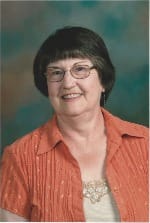
Linda MacDougall shares her personal story of being diagnosed with APD at age 50. She explains that APD is not a problem with the ears; it is a processing issue within the brain.
Unlike hearing loss, where volume is the issue, APD is about overstimulation. When too many sounds come in at once—like in a busy restaurant or a room with a TV on—the brain cannot separate the conversation from the background noise.
"It is not a problem with the ears... It's either over or under [stimulation]... Instead of a deficit... you're consumed by your environment because everything gets your attention." — Linda MacDougall
🌟 Key Takeaways from This Episode
- It’s Not Just "Stubbornness": Caregivers often misinterpret a senior's withdrawal in noisy settings as being aloof or uninterested, when it is actually sensory overload.
- The "Restaurant Effect": Linda shares a vivid example of sitting under an A-frame ceiling at a restaurant where sound accumulated, making it impossible to distinguish words, leading to isolation.
- Undiagnosed Seniors: Many seniors today grew up before these diagnoses existed. What looks like cognitive decline or social anxiety might actually be a lifelong processing disorder.
- Environmental Triggers: Bright lights, loud motorcycles, or even uncomfortable clothing tags can cause "overwhelm" in seniors with sensory processing issues.
- Simple Fixes: Strategies like turning off the TV during conversation, looking the person in the eye, and avoiding approaching from behind can drastically improve communication.
📝 Episode Highlights
Here are the topics we cover in this conversation:
- Introduction to Auditory Processing Disorder (APD): Understanding the basics and why it is often missed.
- Linda’s Personal Journey: Getting diagnosed with ADD and APD later in life at age 50.
- Hearing vs. Processing: The critical difference between hearing loss (ears) and APD (brain).
- Social Isolation: How bad acoustics in public spaces affect social connection.
- Impact on Seniors: How APD affects independence, mental health, and confidence.
- Caregiver Frustration: Why we mistake sensory overload for behavioral issues or dementia.
- Learning Styles: The link between processing disorders, reading difficulties, and learning styles.
- Creating a Better Environment: Why the TV needs to be off and how to manage home noise levels.
- Signs & Symptoms: What to look for, including the startle reflex, squinting to hear, and withdrawal.
- Nursing Home Care: Addressing sensory issues in facilities and the importance of touch/massage.
- Resources: Discussing the Fat City Workshop and understanding learning disabilities.
🔊 Why You Should Listen
Caregiving is often a guessing game. By understanding Auditory Processing Disorders, you gain a new tool in your kit. You may realize that your loved one isn't ignoring you—they just need a quieter environment to connect. 💖
Linda provides compassionate, practical advice on how to modify your environment to reduce stress for both the senior and the caregiver.
Click the player above to listen to the full conversation!
Caring for a loved one can be overwhelming — but you're not alone. If you have questions, big or small, our expert team is here to help.
👉 Click here to Ask the Expert
Our Resource section can help you find the information and tools that you need. We have courses, videos, checklists, guidebooks, cheat sheets, how-to guides and more.
You can get started by clicking on the link below. We know that taking care of a loved one is hard work, but with our help you can get the support that you need.
Click here to go to Resource Section now!