How to Keep Aging Parents at Home Safely (Aging in Place Guide for Caregivers)
Want to avoid assisted living? Learn how to safely keep aging parents at home with practical home modifications and caregiver strategies.

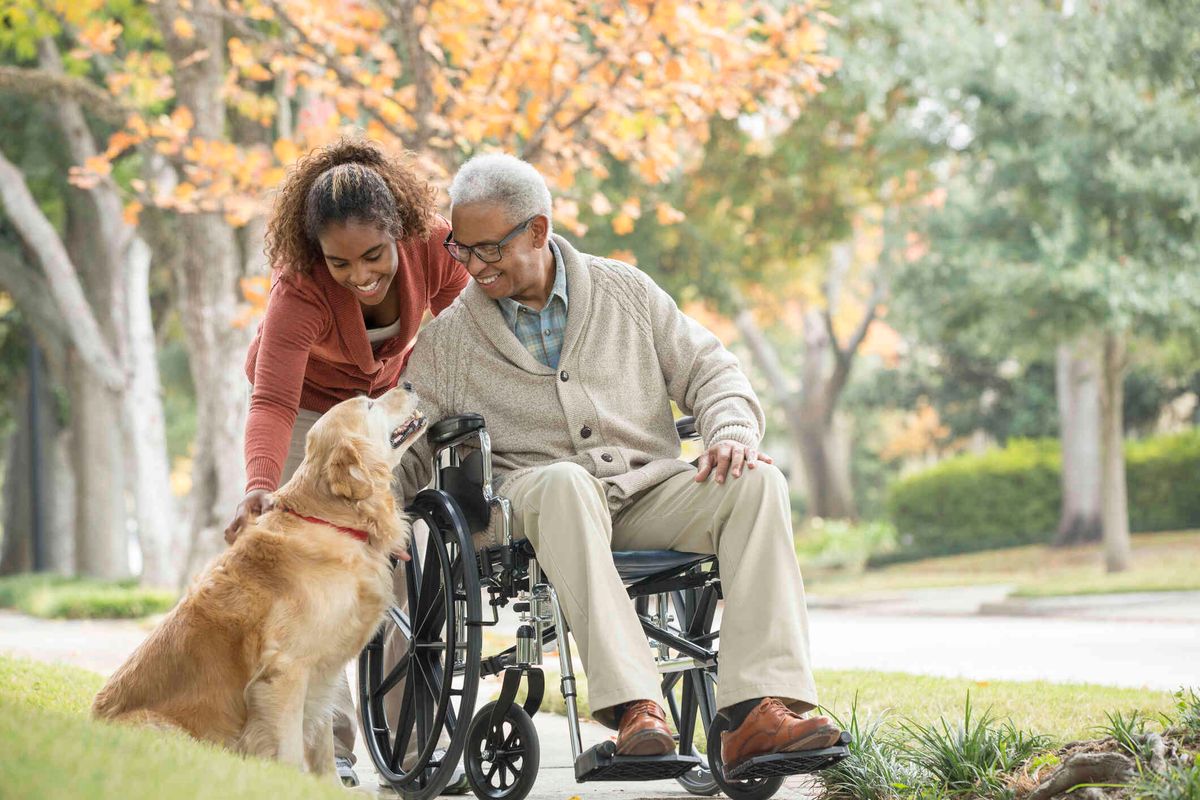
Many caregivers search for how to keep aging parents at home safely when they want to avoid assisted living but are unsure how to manage safety, independence, and changing care needs.
Why Aging in Place Requires Planning
Most families want their loved one to remain at home.
👉 But staying at home safely does not happen by accident—it requires planning.
Without preparation:
- Falls increase
- Emergencies happen
- Care needs are missed
👉 This often leads to crisis decisions and sudden placement
Start With a Home Safety Assessment
Before making changes, you need to understand:
👉 What risks exist in the home
👉 Start here:
Home Care Assessment Checklist
The Most Important Areas to Modify
🛏️ Bedroom Safety
- Consider a first-floor bedroom
- Ensure easy access to bathroom
- Remove clutter and fall hazards
👉 This reduces nighttime risk
🚪 Entry and Exit Safety
- Install ramps if needed
- Widen doorways for accessibility
- Use lever-style handles
👉 Safe access prevents falls and isolation
🪜 Steps and Mobility Hazards
- Add sturdy railings
- Consider eliminating steps
- Use non-slip surfaces
👉 Stairs are one of the highest risk areas
💡 Lighting and Visibility
- Install bright lighting throughout the home
- Use motion sensor lights
- Add night lighting for pathways
👉 Poor lighting is a major cause of falls
🧼 Bathroom Safety (HIGH RISK AREA)
- Install grab bars
- Use non-slip mats
- Consider a shower chair
👉 Bathrooms are one of the most dangerous areas in the home
🍳 Kitchen Safety
- Organize frequently used items within reach
- Use appliances with automatic shut-off
- Reduce clutter
👉 Prevents burns, cuts, and accidents
Remove Hidden Fall Risks
Look for:
- Loose rugs
- Cluttered walkways
- Uneven flooring
👉 These small issues cause major injuries
Using Technology to Improve Safety
Technology can extend independence:
- Medical alert systems
- Medication reminders
- Smart home monitoring
- Fall detection devices
👉 These tools provide peace of mind for caregivers
The Reality: Home Still Requires Oversight
Even with modifications:
👉 Aging in place is NOT risk-free
Families must still:
- Monitor for changes
- Adjust care as needs increase
- Stay actively involved
👉 Learn what happens when care needs increase:
What Is Assisted Living?
When Home May No Longer Be Safe
There comes a point when home may not be enough.
Watch for:
- Frequent falls
- Cognitive decline
- Medication mismanagement
- Increased medical needs
👉 Learn the warning signs:
10 Warning Signs Your Aging Parent Needs Help at Home
Why a Care Plan Is Essential
Home modifications alone are not enough.
👉 You need a structured plan
👉 Learn how to build one:
How to Create a Care Plan for an Aging Parent
Common Mistakes Families Make
- Waiting too long to make changes
- Assuming the home is “safe enough”
- Not reassessing as needs change
- Trying to do everything alone
👉 These increase risk over time
What You Should Do Now
Step 1:
Assess the home
Step 2:
Make safety modifications
Step 3:
Create a care plan
Step 4:
Monitor and adjust
👉 If you need guidance:
Stay Ahead of the Crisis
The goal is not just to stay at home—
👉 It is to stay safe at home
👉 If caregiving is becoming overwhelming:
👉 Build a complete caregiving system:
👉 Keep everything organized and ready:
My Vital Vault Emergency System
Our Resources section can help you find the information and tools that you need. We have courses, videos, checklists, guidebooks, cheat sheets, how-to guides and more.
You can get started by clicking on the link below. We know that taking care of a loved one is hard work, but with our help you can get the support that you need.
Click here to go to Resources Section now!