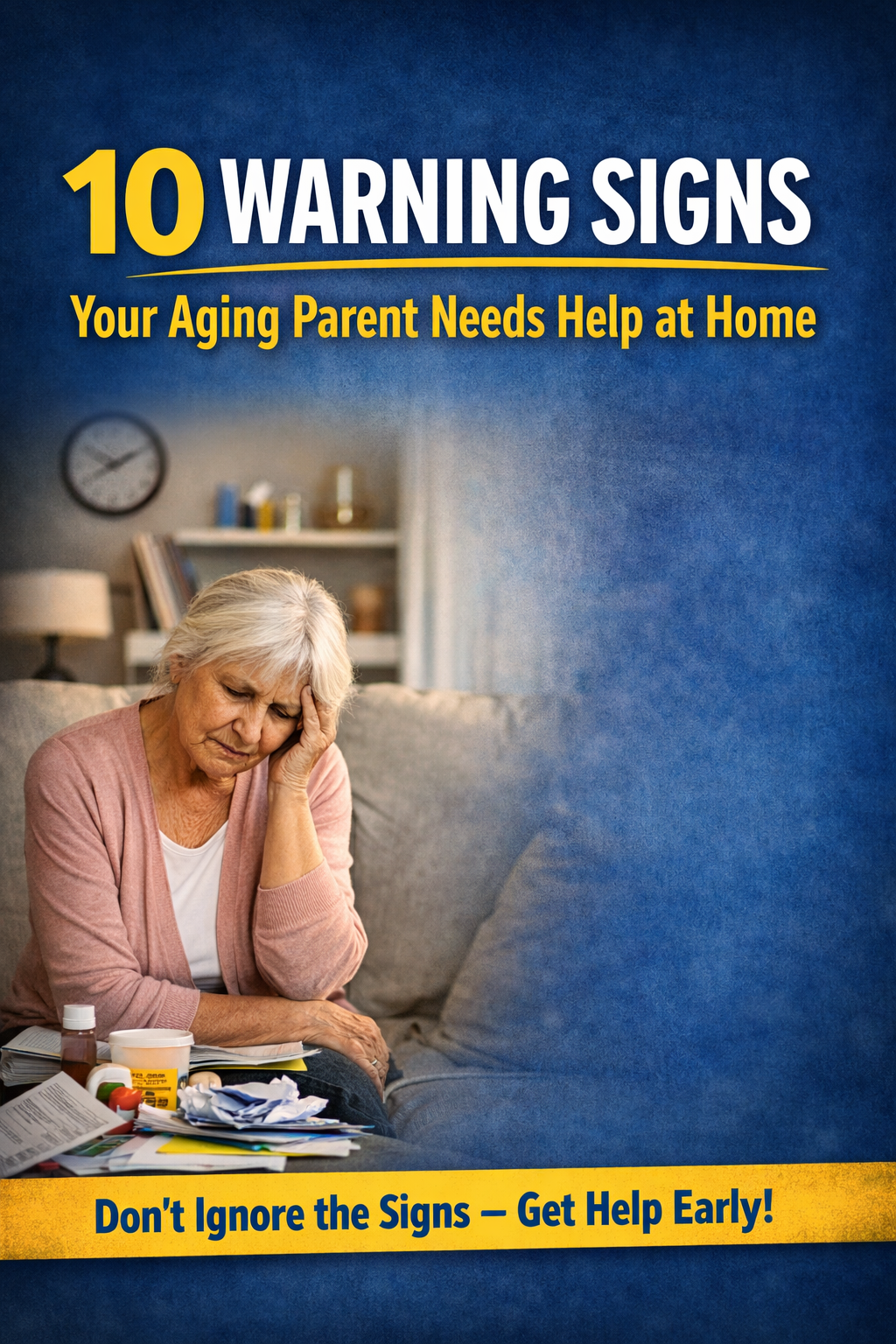
10 Warning Signs Your Aging Parent Needs Help at Home
Is your aging parent safe at home? Learn the 10 warning signs they need help, from memory loss to hygiene changes, and what caregivers should do next.

When Should You Worry About an Aging Parent Living Alone?
There often comes a time when an aging parent begins to need more help at home—but the signs are not always obvious.
Changes happen gradually.
A missed meal here.
Unopened mail there.
A fall that “wasn’t a big deal.”
But taken together, these warning signs can indicate that your loved one may no longer be safe living independently.
👉 If you are already feeling overwhelmed, start here:
Caregiver Burnout Help: How to Stop Feeling Overwhelmed and Take Back Control
Recognizing these signs early can help you prevent a crisis—and make better decisions about care.
Many family caregivers search for signs their aging parent needs help at home—but often miss the early warning signs until a crisis occurs.
10 Warning Signs to Look for:
1. Changes in Eating Habits
Has your loved one:
- Lost weight unexpectedly?
- Skipped meals?
- Lost interest in food?
Check the refrigerator and pantry. Expired or untouched food is often one of the earliest warning signs.
2. Decline in Personal Hygiene
Look for:
- Wearing dirty clothes
- Body odor
- Poor dental care
- Skin issues or sores
These changes often indicate difficulty managing daily routines.
3. Neglected Home Environment
Is the home:
- Cluttered or unclean?
- No longer maintained as it once was?
This may signal physical limitations, cognitive decline, or depression.
4. Behavioral or Personality Changes
Watch for:
- Agitation or paranoia
- Withdrawal or isolation
- Unusual phone calls at odd hours
These changes may indicate cognitive or emotional health concerns.
5. Relationship Changes
Are friends, neighbors, or family expressing concern?
When others start noticing changes, it’s important to pay attention.
6. Loss of Interest in Activities
Has your loved one stopped:
- Attending church?
- Seeing friends?
- Participating in hobbies?
Isolation increases both physical and mental health risks.
7. Increased Falls, Injuries, or Accidents
Look for:
- Bruises or burns
- Frequent falls
- Skin tears
These may indicate balance issues, weakness, or medication problems.
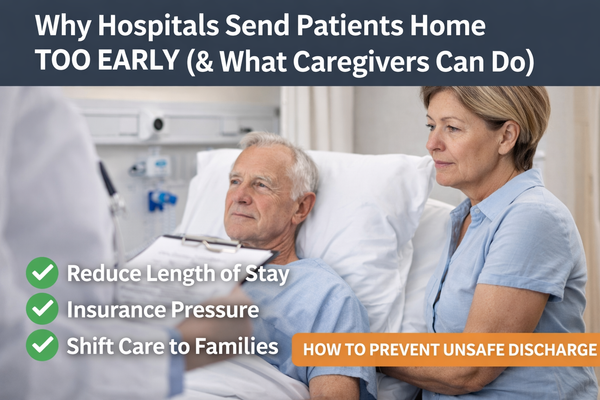
👉 Learn how medical care is shifting to families after hospitalization:
Unsafe Hospital Discharge: What Caregivers Need to Know
8. Forgetfulness and Missed Responsibilities
Are they:
- Missing doctor appointments?
- Forgetting medications?
- Leaving mail unopened?
This can be an early sign of memory decline or cognitive impairment.
9. Financial Mismanagement
Watch for:
- Unpaid bills
- Duplicate payments
- Lost money
- Unusual purchases or subscriptions
Financial changes can be one of the most serious warning signs.
Learn what Medicare does not cover here
10. Unusual Spending or Decision-Making
Examples include:
- Buying items they don’t need
- Entering multiple contests
- Falling for scams
These behaviors may indicate vulnerability or cognitive decline.
What These Warning Signs Really Mean
If you’re noticing one or more of these changes, it doesn’t automatically mean your loved one needs to leave their home.
But it DOES mean:
👉 More support is needed
👉 A conversation is necessary
👉 A plan should be created
Ignoring these signs often leads to:
- Falls
- Hospitalizations
- Unsafe discharge situations
- Caregiver burnout
What To Do Next (Before a Crisis Happens)
1. Start the Conversation Early
Approach your loved one with respect and concern—not control.
Learn how to have difficult caregiving conversations without conflict
Explore the Eldercare Communication Course,
2. Involve the Primary Care Physician
Report:
- Physical changes
- Behavioral concerns
- Safety issues
3. Assess Care Needs
Use structured tools to evaluate:
- Daily living abilities
- Safety risks
- Support needs
👉 Start building your caregiving plan here:
Caregiver Balance Guide
4. Build a Support System
Caregiving should never fall on one person alone.
Consider:
- Family involvement
- Professional caregivers
- Community resources
👉 Get help navigating these decisions:
Caregiver Coaching Support
5. Prepare for Emergencies
Many families wait until a crisis to get organized.
👉 Organize critical information before it’s needed:
My Vital Vault Emergency System
Download the Full Caregiver Assessment Tool
If you’re unsure what level of care is needed, a structured checklist can help you evaluate changes clearly and objectively.
👉 Download the “10 Warning Signs Your Aging Parent Needs Help” Checklist
Frequently Asked Questions
What are the first signs an elderly parent needs help?
Early signs include changes in eating habits, poor hygiene, forgetfulness, and withdrawal from activities.
When is it no longer safe for an aging parent to live alone?
It may no longer be safe when there are frequent falls, missed medications, cognitive decline, or inability to manage daily tasks.
What should I do if my parent refuses help?
Start with small conversations, involve healthcare providers, and gradually introduce support options.
How do I assess my parent’s care needs?
Use structured tools and checklists to evaluate safety, daily activities, and cognitive function.
Final Thought
Recognizing these warning signs early is one of the most important things you can do as a caregiver.
Waiting too long often leads to crisis decisions.
Planning ahead gives you options.
Support protects your health.
And caregiving should never cost you your well-being.
👉 Start here:
Caregiver Burnout Help