
Best Caregiver Apps for Managing Aging Parents (Care Coordination Tools for Families)
Family caregivers often struggle to coordinate medications, appointments, and responsibilities for aging parents. Learn how care coordination apps help families stay organized, share caregiving tasks, improve communication, and reduce caregiver burnout.
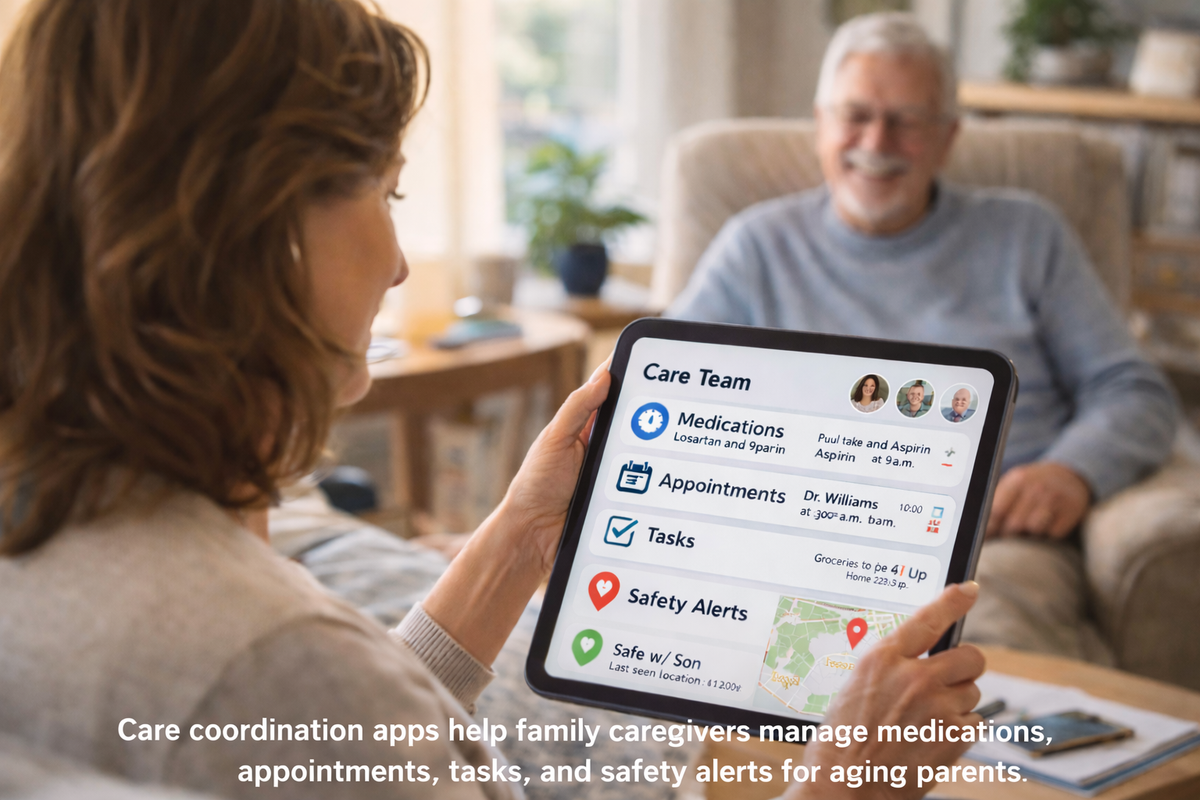
Caring for an aging parent is one of the most meaningful roles many of us will ever take on. It can also become one of the most overwhelming.
Family caregiving rarely fails because of lack of love or dedication.
It usually fails because of lack of coordination.
One family member manages medications.
Another schedules appointments.
Someone else helps with groceries or transportation.
Important medical information often ends up scattered across text messages, notebooks, phone calls, and calendars.
When communication breaks down, caregivers become overwhelmed — and the person receiving care can fall through the cracks.
Medication errors occur.
Appointments are missed.
Responsibilities fall onto one exhausted caregiver.
For millions of families caring for aging parents, the solution is not simply working harder.
The solution is building a coordinated caregiving system that helps families organize care, share responsibilities, and support aging parents safely at home.
One of the most helpful tools families can use is a care coordination app designed specifically for caregivers.
Key Takeaways: Caregiver Coordination Apps
• Care coordination apps help families organize medications, appointments, and caregiving responsibilities.
• They reduce caregiver stress by allowing families to share tasks and communicate in one place.
• These tools help prevent missed medications, missed appointments, and safety risks.
• Coordinated care helps aging parents remain safer and more independent at home.
Why Caregiving Is Harder Than Ever Today
Today's caregivers are often part of what experts call the Sandwich Generation — adults caring for aging parents while also raising children and managing careers.
Modern families face several new challenges:
• In most households, both adults work full-time
• One in four families is headed by a single parent or adult
• One in five Americans live far from extended family members
At the same time, the number of older adults needing assistance is growing rapidly.
According to U.S. Census data, 59 million Americans are now age 65 or older, and that number is projected to reach 77 million by 2035.
As the aging population grows, millions of families are stepping into caregiving roles without training, structure, or support systems.
Without organization, caregiving quickly becomes chaotic.
Understanding the Growing Caregiver Crisis
Family caregivers are providing more care than ever before — often without training, support, or coordination systems.
This short video explains the growing caregiver crisis and why better care coordination tools are becoming essential for families caring for aging parents.
The growing caregiver crisis is placing enormous pressure on families caring for aging parents.
Signs Your Family Needs a Care Coordination System
Many families step into caregiving gradually. At first, responsibilities seem manageable.
But as care needs increase, families often reach a point where the lack of coordination becomes overwhelming.
If any of the following situations sound familiar, it may be time to introduce a care coordination system or caregiving app to help organize responsibilities.
Medications Are Being Missed or Confused
Medication errors are one of the most common challenges caregivers face.
If multiple family members are helping with medications but no one is tracking them in a central system, doses may be missed, duplicated, or given at the wrong time.
A coordinated system allows caregivers to track medications and reminders in one shared place.
No One Is Sure Who Is Responsible for What
One of the biggest causes of caregiver stress is unclear responsibilities.
You may hear statements like:
- “I thought you were taking Mom to her appointment.”
- “I assumed someone already picked up the prescription.”
- “I didn’t know Dad needed groceries.”
When caregiving responsibilities are unclear, the burden often falls on one person.
Care coordination tools allow families to assign and track caregiving tasks so everyone understands their role.
Important Health Information Is Scattered Everywhere
Many caregivers keep critical information in multiple places:
- text messages
- notebooks
- medication bottles
- discharge papers
- phone contacts
When information is scattered, it becomes difficult to respond quickly during medical appointments or emergencies.
Care coordination platforms allow families to keep medical information organized in one secure location.
Family Members Live in Different Cities
Long-distance caregiving has become increasingly common.
Siblings often live in different states or even different countries.
Without a shared system, it becomes difficult to keep everyone informed about:
- medical updates
- doctor visits
- safety concerns
- caregiving needs
Care coordination apps allow families to stay connected even when they cannot be physically present.
One Caregiver Is Carrying the Entire Burden
If one family member is managing most caregiving responsibilities, the risk of caregiver burnout becomes very real.
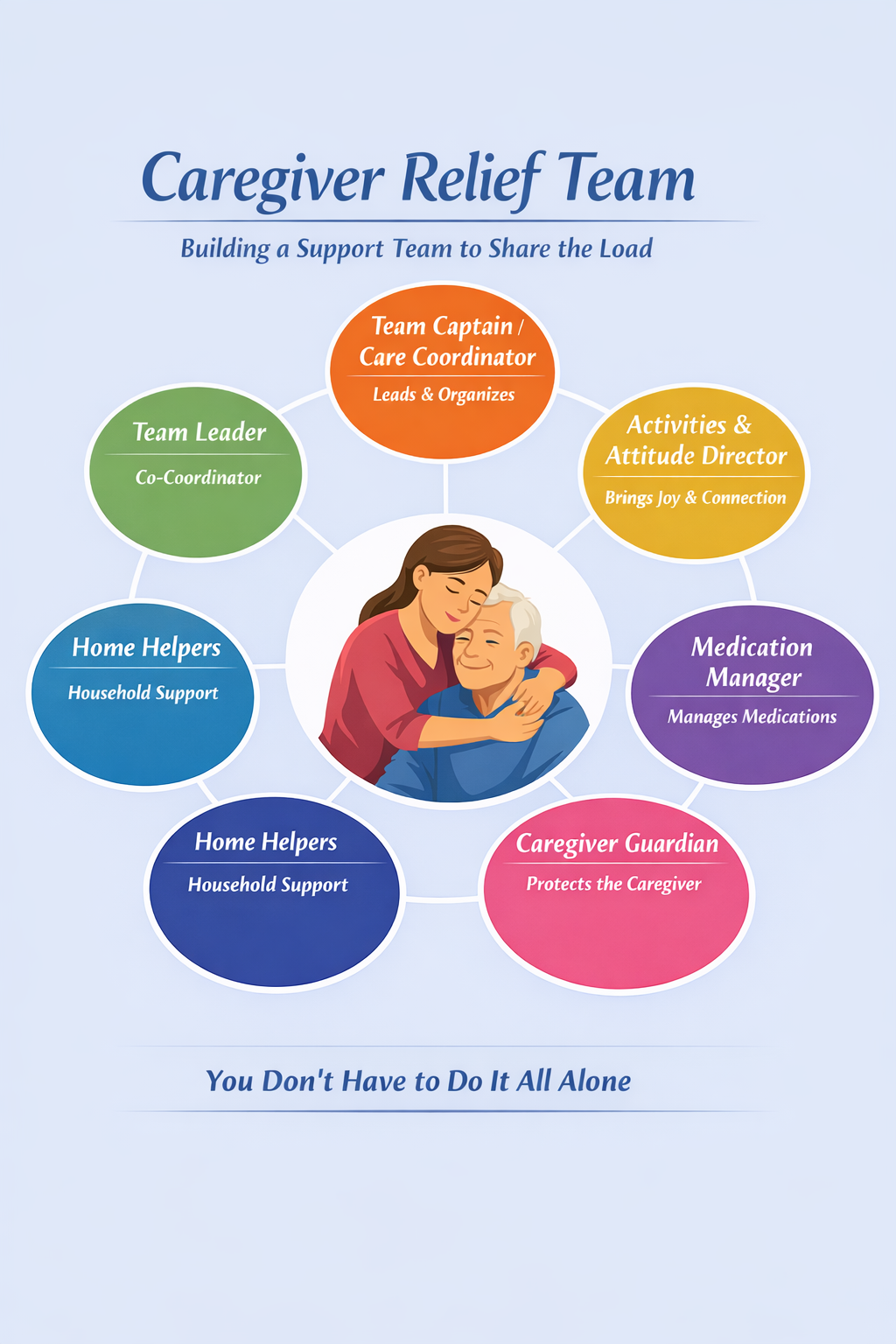
Care coordination systems help distribute responsibilities so caregiving becomes a team effort instead of a solo job.
Want Everything Organized in One Place?
Care coordination apps help manage communication.
But families also need a way to organize critical medical and emergency information—especially during hospital visits or emergencies.
The My Vital Vault Emergency System is designed to:
- Keep essential documents protected and accessible
- Ensure medical information is available immediately
- Reduce confusion during emergencies
👉 Explore the My Vital Vault Emergency System
Hospital Discharges Feel Chaotic
Many caregivers feel unprepared when a loved one is discharged from the hospital.
Instructions may be complex, medications may change, and follow-up appointments need to be scheduled quickly.
A coordinated care system helps families track discharge instructions and ensure nothing falls through the cracks.
When Care Is Coordinated, Families Feel More Supported
Caregiving will always require compassion, patience, and commitment.
But it does not have to feel chaotic.
With the right coordination tools, families can:
✔ share responsibilities
✔ stay informed
✔ prevent mistakes
✔ reduce caregiver stress
✔ improve safety for aging loved ones
Care coordination apps provide the structure families need to support their loved ones more effectively.
The Hidden Cost of Uncoordinated Care
When caregiving communication breaks down, serious problems can occur.
Medication Errors
Older adults often take multiple medications. Without a shared tracking system, doses can be missed or duplicated.
Poor Follow-Through on Medical Instructions
Hospital discharge instructions can be misunderstood or forgotten without coordinated communication.
Falls and Injuries
Without consistent check-ins or monitoring, safety issues can go unnoticed.
Hospital Readmissions
Uncoordinated care is one of the leading contributors to preventable hospital readmissions.
Caregiver Burnout
When one caregiver carries the entire responsibility, exhaustion and health problems often follow.
Many families attempt to solve these challenges by using multiple apps and tools.
Unfortunately, that can create another problem — fragmentation.
The Problem With Most Caregiving Tools
Families often cobble together several disconnected tools:
• Group texts or messaging apps
• Medication reminder apps
• Shared calendars
• Emergency alert systems
Each tool addresses one piece of caregiving, but none manage the entire system.
Caregivers end up juggling multiple platforms, which increases stress rather than reducing it.
What families truly need is one system that organizes everything in one place.
What Is a Care Coordination App?
Care coordination apps are designed to help families manage caregiving responsibilities collaboratively.
These platforms create a shared caregiving ecosystem where family members and helpers can communicate, organize tasks, and monitor safety.
A well-designed caregiving coordination platform can help families:
• communicate with the entire care team in one place
• assign caregiving tasks and track completion
• manage medication lists and reminders
• store medical information securely
• track appointments and transportation needs
• monitor safety through alerts and location tracking
Instead of scattered communication, everyone involved in care stays informed and connected.
What Is the Best App for Managing an Aging Parent’s Care?
Different caregiving apps solve different problems.
Some focus on medication reminders.
Others help families communicate and coordinate tasks.
The comparison below highlights several apps families commonly use.
Best Caregiver Apps for Coordinating Care for Aging Parents
| App | Best For | Key Features | Medication Tracking | Task Sharing | Safety Monitoring | Cost |
|---|---|---|---|---|---|---|
| Watch Our Own | Full care team coordination | Care team communication, task delegation, health records, GPS safety alerts | ✓ | ✓ | ✓ | Free |
| CareZone | Medication organization | Medication lists, refill reminders, pharmacy tracking | ✓ | Limited | ✗ | Free |
| Lotsa Helping Hands | Volunteer coordination | Shared calendar, caregiver scheduling, task lists | Limited | ✓ | ✗ | Free |
| CaringBridge | Family updates | Private journaling and communication platform | ✗ | ✗ | ✗ | Free |
| MediSafe | Medication reminders | Pill reminders, drug interaction alerts | ✓ | ✗ | ✗ | Free / Premium |
Choosing the right caregiving app depends on the level of care your loved one needs and how many family members are involved in supporting them.
A Care Coordination Platform Designed by a Caregiver
One example of a platform created specifically for caregiving families is Watch Our Own, an all-in-one care coordination app.
The platform was created by entrepreneur and caregiver Giancarlo Paolillo.
While caring for his mother who lived an hour away, raising three children, and working long hours, he experienced firsthand how difficult it was to coordinate care using existing tools.
He realized something important:
The tools families needed to manage caregiving simply didn't exist in one place.
Watch Our Own was built to solve that problem by providing a single platform where families can organize caregiving responsibilities and stay connected.
The goal is simple:
Help families be there when it matters most — even when they can't be physically present.
Caregiver Relief shares tools that may help family caregivers stay organized and supported. We highlight resources that provide real value to caregiving families navigating complex care responsibilities.
Learn more about the Watch Our Own caregiver coordination app.

Key Features That Help Caregiver Families Stay Organized
Shared Care Team Communication
Instead of endless text messages, caregivers can communicate through a dedicated caregiving group channel.
This keeps important care information organized and accessible.
Task Assignment and Delegation
One of the biggest causes of caregiver burnout is trying to do everything alone.
Care coordination apps allow families to assign tasks such as:
• medication reminders
• grocery shopping
• transportation to appointments
• check-ins with a loved one
Tasks can be tracked so responsibilities are clearly shared among the care team.
Centralized Medical Information
Caregivers can securely store important health information such as:
• medication lists
• allergies
• medical conditions
• vaccination records
• prescription history
• physician contact information
Having this information readily available can be critical during emergencies or medical visits.
Appointment Management
Care coordination platforms help families track medical appointments and transportation responsibilities.
Everyone on the care team can stay informed about upcoming visits and care needs.
Safety Monitoring
Some platforms include additional safety features such as:
• GPS tracking for wandering seniors
• emergency alert buttons
• location sharing during walks or travel
• safety notifications to family members
These tools can provide peace of mind, particularly for families caring for someone with dementia or mobility challenges.
A Real-World Caregiving Example
Imagine a father living at home with early dementia.
His daughter manages medications.
His son handles doctor appointments.
A neighbor checks in weekly.
A grandchild helps with grocery shopping.
Without coordination, confusion is inevitable.
With a shared care coordination platform:
• medication schedules are visible to everyone
• tasks are assigned clearly
• appointments appear in a shared calendar
• family members receive safety alerts if needed
Care becomes organized instead of chaotic.
Technology Cannot Replace Compassion — But It Can Reduce Stress
Caregiving will always require empathy, patience, and human connection.
Technology will never replace those qualities.
However, the right tools can remove many of the logistical burdens that overwhelm caregivers, allowing families to focus on what truly matters.
Better coordination means:
✔ fewer mistakes
✔ improved safety
✔ less caregiver burnout
✔ better health outcomes
Most importantly, caregivers no longer feel like they are carrying the entire responsibility alone.
Caregiving Was Never Meant to Be Done Alone
One of the core principles of the Caregiver Balance Guide is that caregiving must be approached as a team effort.
Families need:
• clear roles
• structured communication
• shared responsibilities
• supportive tools
Care coordination apps can help families create the structure needed to make caregiving sustainable.
Learn More About Building a Caregiving System
If you are caring for an aging parent or loved one, building a support system is essential for protecting both your health and theirs.
The Caregiver Balance Guide provides practical strategies to help families create sustainable caregiving systems, reduce burnout, and build strong care teams.
Explore the Caregiver Balance Guide to learn how to build a sustainable caregiving system and reduce caregiver burnout.
Caregiver Balance Guide
Ready to Be Fully Prepared?
Care coordination tools help families stay organized.
But emergencies require more than communication.
They require immediate access to critical information.
The My Vital Vault Emergency System helps caregivers:
- Organize essential documents
- Prepare for medical emergencies
- Respond with clarity instead of panic
Frequently Asked Questions About Caregiver Apps
What is the best app for managing care for aging parents?
The best caregiver apps allow families to coordinate care in one place by managing tasks, medications, communication, and appointments.
Are there apps that help families coordinate caregiving?
Yes. Care coordination apps allow family members to communicate, assign caregiving tasks, track medications, and monitor safety for aging parents.
How do caregivers keep track of medications and appointments?
Many caregivers use medication management and care coordination apps to track prescriptions, appointments, and caregiving responsibilities in one organized system.
Are caregiving apps secure?
Many caregiving platforms include encrypted storage and privacy protections that allow families to share medical information safely.
Can caregiver apps reduce caregiver burnout?
Yes. By organizing responsibilities and improving communication among family members, caregiving apps can reduce stress and help prevent burnout.
Explore the Caregiver Balance Framework
• Caregiver Boundaries & Support Plan
• Family Caregiver Agreement
• Caregiver Relief Team
• Caregiver Guidance & Support
• My Vital Vault