Can a Loved One Hear You Before Death? What Caregivers Need to Know
Can a loved one hear you before death? Learn what happens to hearing at the end of life and why your voice can still bring comfort and connection.

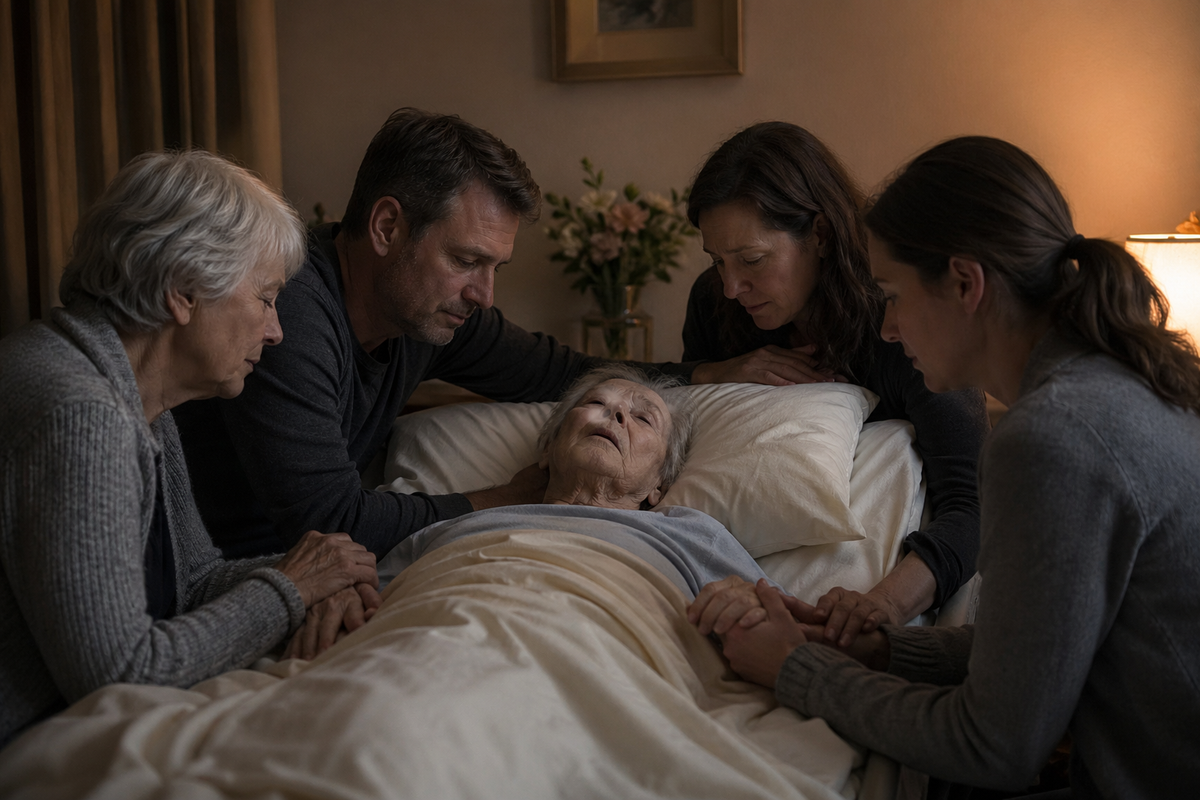
Many caregivers wonder if their loved one can hear them before death, this guide explains what happens to hearing in the final stage of life and why your presence still matters.
One of the most common and emotional questions caregivers ask is:
👉 “Can they still hear me?”
Even when a person is unresponsive, unable to speak, or appears unconscious, research and clinical experience suggest that hearing may be one of the last senses to remain.
This means your loved one may still hear your voice, even if they cannot respond.
What Happens to the Senses at the End of Life
As the body begins to shut down, different senses fade at different times.
Vision often declines first
Touch becomes less responsive
Awareness shifts
But hearing may continue, even in the final hours.
👉 To understand the full process, read:
What Happens in the Final Days Before Death
Why Hearing May Still Be Present
The brain processes sound differently than other senses.
Even when responsiveness decreases, the ability to hear may still function at some level.
This is why hospice professionals often encourage caregivers to continue speaking to their loved one.
👉 Learn more about this stage:
What is Active Dying?
Signs Your Loved One May Still Hear You
Even without a response, you may notice:
Small facial movements
Changes in breathing
Moments of calm when you speak
Subtle reactions to familiar voices
These signs are not always obvious, but they can be meaningful.
What to Say to a Loved One Before Death
You do not need perfect words.
What matters most is your presence and your tone.
You can say:
“I’m here with you.”
“You are not alone.”
“I love you.”
Speak gently, slowly, and with reassurance.
Why Your Voice Matters
Even if your loved one cannot respond, your voice can:
Provide comfort
Reduce fear
Create a sense of connection
Your presence may be one of the most meaningful parts of this final stage.
What Caregivers Should Avoid
Avoid assuming they cannot hear you.
Try not to speak about them as if they are not present.
Avoid emotional conflict or distress near them when possible.
They may still be aware of the emotional environment.
Supporting Yourself During This Time
Being present at the end of life can be emotionally overwhelming.
You may feel:
Grief
Fear
Uncertainty
👉 Support yourself here:
Caregiver Burnout: Signs, Symptoms, and Hoe to Recover
Final Thoughts
You may not know exactly what your loved one can hear.
But speaking to them with kindness, reassurance, and love matters.
Your voice may bring comfort in ways you cannot see.
Because caregiving should not cost you your health.
Related End-of-Life Resources
You Are Not Alone
Recognizing the signs death is near can help you feel more prepared and less afraid.
For a full overview of what happens next, read:
What Happens in the Final Days Before Death
Explore more support:
- How Do You Know When End of Life Is Near? Signs Caregivers Should Never Ignore
- How Long Can End-of-Life Breathing Last? What Caregivers Need to Know
- My Vital Vault: Emergency Peace of Mind for Families
- Caregiver Burnout- Signs. Symptoms and How to Recover
- What Happens in the Days Before Death: A Caregiver's Guide on What to Expect
- What is Active Dying? A Simple Guide fr Caregivers
Frequently Asked Questions
Can a dying person hear you if they are unconscious?
Yes, hearing may still function even when a person is unresponsive.
What sense is the last to go before death?
Hearing is often believed to be one of the last senses to remain.
Should I keep talking to my loved one?
Yes. Your voice can provide comfort even if they cannot respond.
Can a person respond if they hear you?
Not always. Lack of response does not mean they cannot hear you.