Bridging Differences: How Caregivers Can Transform Conflict into Connection with Dr. Jen Fry - Episode 143
Caregiving is often described as one of the hardest yet most meaningful roles a person can take on. But let’s be honest: it’s also a breeding ground for conflict. Whether you are battling with siblings over "who does what," feeling rushed by healthcare providers, or wrestling with your own identity, conflict is inevitable.
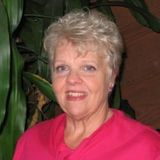
In this powerful episode of the Caregiver Relief Podcast, host Diane Carbo sits down with Dr. Jen Fry—a sports geographer, tech founder, and conflict transformation expert. Together, they dismantle the "strong woman" trope and provide a roadmap for turning family friction into deeper connection.
🎧 Why You Should Listen
If you’ve ever felt like you’re the only one doing the work, or if going home for the holidays feels like a "reset" on years of therapy, this episode is for you. Dr. Fry explains why our families know exactly which buttons to push (hint: they sewed them on!) and how to maintain your peace while leading the caregiving journey.
📝 Episode Outline & Key Takeaways
1. The Myth of the "One-and-Done" Boundary 🛑
- Consistency is Key: Many caregivers get frustrated when they set a boundary once and it isn't followed. Dr. Fry emphasizes that boundaries require constant reinforcement because people are "habitual line-steppers".
- Expect the Pushback: The first time you set a boundary might be the easiest; it’s the consistent reinforcement during your tired moments that becomes the real challenge.
2. Navigating Overlapping Identities 🔄
- The Power Shift: Caregiving flips the parent-child dynamic on its head. You are moving from being the "child" to essentially "parenting your parent," which requires a period of grieving for the relationship that used to be.
- Family Roles: Old dynamics often resurface. You might still be seen as the "bossy older sister" even if you have decades of professional experience.
3. Dealing with Uninvolved Siblings 👫
- Release Unrealistic Expectations: Stop stressing over what you know your siblings won't do. Focus on the "bare minimum" they can contribute to take weight off your plate.
- The "Pay-to-Play" Model: If a family member cannot or will not provide physical help, they should be expected to provide financial compensation for professional help, such as cleaning services or grocery deliveries.
4. Taking Control of Healthcare Appointments 🏥
- Be the Employer: Remember that you are paying the doctor; they work for you.
- Tools for Clarity: Use transcription apps or record the conversation so you can listen back later without the stress of the moment clouding your memory.
- Demand Plain English: Don't be afraid to ask a doctor to "break it down into English" if they are using too much medical jargon.
5. Perfection is the Enemy of Help ✨
- Let Go of the "How": If someone offers to help, don't push them away by criticizing their methods. If the dishes are clean or the groceries are in the fridge, the specific "way" they did it doesn't matter.
- Accept the "French Fries": If a sibling watches your parent and gives them a treat the doctor doesn't recommend, but your parent is happy and you got a much-needed break, let it go.


💡 Notable Quotes
"Your family members know how to push your buttons because they're the ones who sewed them on." — Dr. Jen Fry
"Conflict shows us the depth of our relationship." — Dr. Jen Fry
🤝 Join the Conversation
Are you struggling with a specific family conflict? You don't have to do this alone. Join our warm and welcoming community at community.caregiverrelief.com to share your story and find support.
Ready to transform your caregiving journey? Click the play button above to listen to the full episode! 🎧✨
Podcast Episode Transcript
Diane: Welcome to the Caregiver Relief Podcast. I'm Diane Carbo, your host, and today we're exploring one of the toughest and most important parts of caregiving conflict, whether it's with family, healthcare teams or even within ourselves. Conflict can either break us apart or bring us closer together. And I'm thrilled to welcome Dr.
Jen Fry. She's a sports geographer, TEDx speaker, tech founder, and a powerhouse behind Jen Fry Talks, a firm dedicated to transforming how organizations handle conflict and culture. Today, she's sharing her wisdom on how caregivers can turn moments of conflict into opportunities for deeper connection.
Diane: So let's dive in.
Dr. Jen, thank you so much for taking time outta your busy schedule to be with us today.
Jen: Oh, I appreciate you having me here.
Diane: Before we dive into the conflict and caregiving, can you share a little bit more about your journey? How does a sports geographer end up helping people navigate conflict and culture?
Jen: Yeah. I get that question a lot, but it actually in some ways is reversed. So I've been the professional speaker for. About 10 years. Oh, wow. And in 2019 is when I got my PhD in Sports Geography. I'm a former college volleyball coach, so I coach for about 15 years. And getting that PhD was, I think, a, an academic, just a continuation of it from my coaching days.
But for me. As a professional speaker, I like to talk about hard topics and conflict is one of them, and sports is all about conflict and I just feel that if we wanna create a better humanity, we have to get better at conflict. A lot of people talk about, positive mindset and all of those things, but to me, if we can't do conflict well, none of the other stuff matters.[00:03:00]
Diane: I agree 100%. And one of the things with, people that are caregivers, I'm both a professional and a family caregiver. I have been in the past. We avoid conflict at great costs, and it affects us personally on so many levels. So in your experience, what is the biggest misconception people have about conflict
Jen: that.
Whenever you set boundaries or ask for things, you are only gonna have to do it once. And I think that's one thing that frustrates a lot of people. if they set a boundary saying, I'm only gonna help mom after six o'clock, when before they used to help mom all day, they think that once they say everyone's gonna be like.
But that's not necessarily the case. People are habitual line steppers and you have to keep informing. You have to keep really pushing on that boundary because if you think just one time your family members are gonna listen to you, you are putting yourself in. I hate to say this, friends, for some very unrealistic expectations.
You. You can't think any, you tell people anything one time and that's it. And so I think that's the biggest thing is that when we're dealing with humans, we're talking about caregiving. You have to consistently reinforce a boundary. You have to consistently tell them stuff. And so what I tend to see is that people, they'll say something once and they get frustrated and they're like, oh, why do I have to keep telling them?
And it's Because you do that. that's just the way, and there, there is nothing in the history of anything that you only tell people one thing and that's it for the rest of eternity. You have to keep telling them. And so I think it's that, is that getting rid of people's unrealistic expectation that.
Boundaries and those type of things are a one and done thing. You have to keep reinforcing them. And that, I'll be honest, Diane, is probably the exhausting part that people don't realize and why they stop doing it is because if you have to keep telling your brother, I'm only coming after six,I understand you're busy.
I understand all of these, but I'm only coming after six. What happens is that people are just like, fine, I'll do it. I'll just, I'll come before six, even though it screws up my whole schedule, even though it screws up my whole work schedule, even though I have to make all these other plans for the dogs and carpool and all that, I'll just do it because I don't wanna have to keep reinforcing it.
And so that's why I tell people is. Honestly, the first boundary you set is probably, and it doesn't feel like it at the time because it's usually the most scary. The first boundary you set is probably gonna be the easiest one because it might be unexpected. They're not preparing for it. That's gonna be your easiest one.
It's the consistent reinforcement at your weak moments when you're tired, frustrated, whatever it is. Those are actually when it gets a lot harder.
Diane: Yeah, I worked with head injury for many years and one of the things I learned is a person has to hear something six or seven times Yes. Before it becomes part of their long-term memory.[00:06:00]
So that doesn't surprise me that we have to set and as a people pleaser, I know this is really hard for me to have to tell people over and over again that setting boundaries and caregivers. Typically are difficult at setting any kind of boundaries or, yes. Or even realizing that they have their own limitations.
they're toing between multiple roles, the child, the spouse, and the advocate. And, how, can you tell me how those overlapping identities can fuel conflict?
Jen: Yeah, because you want, as a caregiver, like first off, caregiving is probably one of the hardest things ever and it's one of the things that people don't talk about because it's majority women who do it.
And I think, and I can, get on my tangent about how much of this stuff is off of women's unpaid labor. And so like caregiving is one of the, I would argue in some aspects caregiving might be harder than raising a kid. And I do not have a kid. I have a cat named Pickle. He luckily, he stays alive.
He is very self-sufficient. But the reason I say that I feel like in some respects that caregiving is harder than raising a kid is because with raising a kid. You are preparing the kid to exit to their own life, to grow, mature, have their own home, right? the power dynamic shifts from one where you have a lot of control to one where you have.
Almost limited no control unless they ask your input or else when you talk about caregiving, it is the complete opposite. The power dynamic was one of control of lessening it and now the person that you're caregiving and sometimes will now still have that old frame of reference of power of you're the kid when, when my mom was sick, she was a frigging terror.
I was like, oh my God, you are so mean. Like you're the meanest human and you as a caregiver having to rectify between being the kid and having to look at your parent in a totally different way, right? Looking at your spouse in a totally different way. And that's really hard. And I think going back to your question about the overlapping identities, is that it.
you're sitting there at all times trying, you're, those identities are like fighting each other. yes. You're fighting each other to be, because in some respects, you still wanna be the kid to your parent. You still wanna be that kid. The memories you have are of being the kid. And all of those things are now completely reversed where you are having to be the parent to the kid and you're having to fight them on those type of things.
So I think it's that your identities now. Are completely flipped on its head, and in some respects you probably have to go through a grieving period of what that relationship used to be because it can. it will never be that same again ever. And that is such a difficult thing. So I think that's where you see the overlap, is that you're fighting what that previous identity was and to recognize it will never be like that again.
And to grieve it.
Diane: Caregiving brings out such deep emotions, and what I find Yeah. Is, when you get into the new role of caregiver, old family dynamics take over, the unaddressed trauma Yeah. Phase in how you handle disagreements and I am the oldest of four and I'm considered the bossy know-it-all sister.
Okay. and then my brother, and then my next brother is 13 months younger than I am, and then the next one is four years younger. And then my baby sister is seven years younger. In fact, we share the same birthday, but we all have had similar experiences, but we've reacted differently to them.
We all, when we all get together, they always tell me, you, you think you know everything. you know some in nursing I know a lot because I've been doing it for 54 years. But,I don't know everything, but, they, we get into those roles and they. Even if we haven't been in this situation for 20 or 30 years, all of a sudden you're home in a situation where you are that kid again.
And it's very hard for caregivers,to handle that. it's very hard. And so how can caregivers begin shifting their mindset from avoiding conflict to viewing it as an opportunity for growth?
Jen: You know the one thing I say is nothing breaks down a healed person like going back home, right?
Yes. You can do decades of therapy. Yeah. You could feel you can meditate every day. Say your home. You can have all the spiritual awakening until you go to Thanksgiving dinner. And now everything you have learned from therapist pat is gone. Every, every coping mechanism, every single thing you have learned is in the garbage, shove it down the toilet.
And so I think the hardest thing about it is that in some respects, you are probably dealing with family members who haven't healed their own trauma. Yeah. So you are coming in with a different mindset of stuff and they have, they literally have never. Grown, matured, done therapy on those topics. And so you're sitting there as this healed person, literally trying to talk and conversate, and navigate conflict with someone who is their purpose is to drag you back to the 10 or 11-year-old you because that's where they're comfortable.
And there's a phrase that like, it sits with me so much, it says, Your family members know how to push your buttons because they're the ones who sewed them on. Oh, I love that. I've
Diane: never heard that before, but that's so true,
Jen: right? Yeah. Like they know what, they know exactly the thing to say to trigger you.
They know the exact thing to the push on your red button, yellow button. Like they know exactly what to say and do in any moment. And so I would say when you're doing this, when it deals with conflict, you have to be going into the situation. Prepared for what your family members are gonna do. you have to already be thinking a step ahead that you know when you're gonna ask your brother to do X, Y, Z.
These are the things he's probably gonna say. And these are the things he's, oh, here, Diane again being bossy. Ugh. And all right. Like they, you know what they're going to say. So you have to be mentally prepared for those things. And I think a lot of people unfortunately go back into the family situation thinking, I did my therapy, I'm going to be fine.
No. These people know exactly the button to push. They will drag you back down within 15 minutes of you get into that damn household. And so you have to be prepared for what does that look like and how are you gonna combat it? Is it you walking away? Is it you saying, you know what? I know that when I ask him to take out the garbage, he is gonna say A, B, C, 1, 2, 3, and this is what I need to say.
Okay. And you are starting to be prepared for it. Of course, you cannot know every situation, but if you know your family well enough, you know some of the situations that you're gonna be thrown back into, and you have to figure out how you're gonna deal with it because you, no one will get you madder than a sibling or a parent.
no one will get you madder than that. And so going in there knowing that, how are you gonna be prepared for that? Also, how are you? You have to know your family member's limitations. You have to know it. And so how are you going to prepare yourself for those limitations without putting Unreal just because your family member is sick?
I hate to say this, friends does not mean your siblings spouse, parent is gonna rise to the occasion. It does not mean that. And so you have to be prepared for that versus having unrealistic expectations.
Diane: Many caregivers struggle with siblings or family members who don't pitch equally. Usually it's one, and they demean that person, the caregiver, they ize them, they beat them down.
So what advice do you have for navigating those conversations constructively? This is a hard one for so many.
Jen: Yeah, it is. I think the first thing is, are you putting unrealistic expectations on them? Are you stressing yourself out with stuff you know they will not do. Yep. But that's, I think the first part is that we have the idea of this person sick, that we're all gonna come together and help mom.
That is not realistic because the truths be told is that you can grow up in the same family with same parents, and everyone have completely different experiences. Yes. And you'll hear so many people who say, Jen and I grew up together and I don't understand why Jen thought this and did that.
You'll have completely different expectations. You'll have different experiences, and that's one thing you have to think about. I think about,my sister there, there was six of us and I was, there was five and then I was adopted. My mom has five by time. She was 25 and they adopted me at 41.
And I had like I couldn't even fathom that and one of the things that. Doing this work has given me is grace and empathy of how hard must it have been to have five kids by the time you're 25, you're divorcing their dad, you're working full time. Like how hard must that have been? And I think that also goes into the strong woman trope back in the day because my mom worked full time, had dinner on the table, blah, blah, blah.
Yeah. And it wasn't healthy. It wasn't healthy then. and so I, we have to acknowledge first that our siblings have very different experiences. And so my young, the youngest of the five, she, we can all agree, was the most hated kid. My mom did not like her. Don't know why my mom didn't. I was the most favorite.
I And so you have these polar opposite experiences when then goes to the caregiving part, right? Yeah. as the favorite kid, I'm gonna feel like I am obligated to do more. The kid that maybe had the hard relationship, the grappling always with the parents. They did, they weren't close.
They're not gonna feel that much of a connection to feel obligated to do stuff. So I think like we have to understand those dynamics right out the bat. We cannot sit and say, mom is sick. Everyone's gonna feel the same way about her and help. That would be beautiful, but that's not the case. And so I think it's first understand the family dynamics because you know how the family is.
Worked and operated. I think the second thing is that to, you know your siblings, you know your dad, your mom, to not have unrealistic expectations on what they're gonna do. Like that. Because I think that's when we start to see that the cycle of demeaning all that is because you're pushing and pushing these unrealistic expectations on them.
Yes. And to say for the people that I know, what would be the bare minimum that they can do to help me?
If they do more than that will be great. Yeah. But what's the bare minimum that they can do? Is it that they come and frigging take the garbage out at the end of the, like what would be the bare minimum that they can help me?
And build up from there. Because if you come in with these expectations, which of that you should have, right? That each kid will have a day and they'll come and they'll help feed and clean. And if you have that, you are putting yourself automatically on the leisure's end because they're not going to do it.
So not only are you fighting them to do it, they're now probably gonna rebel and not do the basic things they would've done before.
Diane: I have a situation where I see often is the one caregiver is the one that they, everybody puts the expectation and role of caregiving on them. Yeah. And, they don't know how to set limits and boundaries.
And I really encourage them to create a care team partner approach to care. Caregivers don't wanna do that because they feel like they're a failure if they ask for help, which is really sad because It's a necessity to ask for help. Yes. 63% of family caregivers become seriously ill or pass through the chronic stress before the person they're caring for passes.
So it's really. Very, it's very serious. And that's why they need to reach out. Yeah. Ask for help from others. But, you're right. If they have unrealistic expectations, they want equality. It's not gonna happen in any household.
Jen: No. It just
Diane: isn't.
Jen: no. so how can they build that team of realistic expectations?
And I think, but also let's be honest, Diane, that it's also about that strong woman trope. Of why I don't wanna ask for help. I can do it all. I can handle it all. It doesn't matter if I'm waking up at three in the morning and doing I can do it all. And so I think it's women being okay with letting go of that strong woman trope.
if it's even the fact of saying. I need to have new light bulbs installed everywhere. I'm not going to do it. I'm gonna have one. You know this John, the con, the construction guy. He might not be worth shit, but he'll come in and change all the light bulbs. Yep. Have him do that, right?
exactly. he might not wanna come into the house, but he'll mow the yard. ask for the things that will take the small pieces of weight. Because if you can have 10 small pieces of weight taken off your plate, that's gonna help out tremendously. If it's the. Change down the light bulbs, taking the garbage can to the front of the road if it's the cutting of the grass.
Those are three main things right there that can help out if it's coming and putting the groceries in. ha think about what are the things that, that you need help with that are, yes, you can do them, but it doesn't mean you can do them.
Diane: Yeah. Just because you can doesn't mean you should.
100%. And that's a big message that caregivers need to, absorb and put in action, into action because it's unrealistic the things that are expected of them. Many leave the workforce. Yeah. and they're financially struggling. And I tell them, if you're a family caregiver and you're the only one that's providing care and you have, uninvolved siblings and extended family members, they need to be expected to do something.
if somebody's good at managing, maybe they can take over the medications, making sure they're ordered and they're given on, they're supplied on time. And, So that it makes that off your plate or somebody who's good at research, let them do the research of what resources are out there for the Yeah, the senior that they can use, or the caregiver as well.
there's so many things. Another one, an UN one underutilized, resource is activities. Have somebody who's creative or. Are fun, as your cheerleader and, bring things that will be important to your senior to keep them busy and active. That gives you respite from having to be, have being attentive to them all the time and people don't understand that activities actually not decrease or, eliminate challenging behaviors.
Jen: and then to say that if your sibling doesn't wanna be involved, have them be involved with their money.
Diane: Have them pay for shit. Oh, that's my next step. Yes. I say then they need to be financially compensating for help inside the home. Yeah,
Jen: if they don't, then they need to be sending shit from Amazon.
Like they need to be sending puzzles and games and coloring and they need to be sending stuff. They need to be paying for a class or some, they need to pay in that way. Look, here's the thing I need. Hey, for a Cleveland Diane. Let me tell you, I am 45. I live in Baltimore. I have a three story house.
I get my house cleaned every two weeks. I travel two weeks of the of the month. I'm always traveling. Yeah. To come home to a clean house is the best feeling ever. Here's the thing, I see so many women who do not wanna have that help. Yes. Who do not? I, it, it doesn't bother me. I enjoy clean.
No, you don't. Oh, you don't enjoy. You are telling me you finally get your mom to sleep and you've been stressing out and you wanna go clean a toilet. Yes, you are lying to everyone. Hundred percent. You're lying to stop lying. No, you don't. You hate it, but you have another option. So yes, a cleaning person.
Hire them every two weeks they come. Okay. That is a major thing off the plate. And tell them, if you're not going to help me physically, you need to pay for this cleanly to come. 100%
Diane: yes. That. I say that all the time because caregivers are pushed beyond what is humanly possible. It takes a village to Duke children.
it takes a village plus to take care of an older adult. Yes, and nobody should be able to carry that burden alone. It's just not realistic a hundred
Jen: percent.
Diane: Yeah. Now, when conflict arises from with healthcare providers, and it does sometimes, how can caregivers use communication strategies to advocate effectively without escalating tension?
Because what I'm seeing, Dr. Jen, is I see caregivers push li take in what the doctor's saying, and they're listening and listening, and they don't ask questions, and then they get mad because. It what they heard and what the doctor meant were two different things. And I see some now in the healthcare system.
Nurses are getting the crap beat outta 'em at that, the bedside. Oh yes. it's nothing like we've ever experienced before. Yeah. People, COVID just ruined people. They, their behaviors are unacceptable sometimes. And the expectations of getting their needs met. everybody's all about me and they don't think about what the o what is the other person may be going through as well.
Jen: one of the things is that COVID made it so that people didn't have to treat each other like humans during conflict because you could just hide anonymously behind the screen and write whatever you want and then exacerbated it of a, make it acceptable to just. Treat people like crap and and say like the worst things, and I'm just like you.
The reason why people treat nurses like that is because of the power dynamic They think they have. Yeah. To me, I'm like, this person's taking care of your family members. I would tread light as hell because this is the person that's respond like whatcha doing? Screaming and cussing at this nurse. This is the person that's there at three in the morning changing that damn bed pan, or clean up the throw up, or whatever it is.
And I think that people, when again, they're scared, they're worried, stuff like that, they're gonna revert back. And it's not taking a deep breath. let me write notes when the doctor explains, let me ask in-depth questions. I feel like because doctor's appointments are so short that they feel like they don't have time.
Diane: Yes.
Jen: And the thing I wanna tell you is you like, the one thing is that doctor, you ain't Finn to rush me. You are not rushing me. And so what happens is that they in a way allow themselves to be rushed, which is. Not be able to answer questions. They have so much going on in their brain. This is what they think they heard.
Yes. And they're going off of that versus you have to control time more no, doctor I, and you're coming with a, you already have questions prepared, and then as you're taking notes, you're developing questions then so that you can ask them. I will stop a doctor. No, we need to have this conversation.
I need to ask this question and not, because what happens is that people don't wanna feel like they're a burden. I don't wanna feel like I'm a burden in, in, in having a doctor. Wait. but what's the other o the other, aspect is what, that you literally are yelling at a nurse about what you thought you heard, which is completely wrong.
And so I think it's that aspect of being willing to write questions, ask questions, ask the, the doctor, yes, they're running late, but that's not your problem. It's not your problem that they're rain late. It's not your problem that they only have 20 minutes. it's not
Diane: you and it's
Jen: 15
Diane: minutes Medicare for 15 minutes.
Yeah. So in that 15 minutes, they're supposed to be assessed. They're supposed to, diagnose, treat, and document. And that's why I tell my healthcare, my, all my caregivers. Take a recorder in. Take a second. yes. Record that conversation. Yes, document and listen to it over. Ask others to listen with you.
Yes, because they may have a different perspective. but always try to be prepared what questions you wanna ask, because the doctor's time is so limited. And it's so frustrating because in the olden days, doctors would spend an hour with you. Yeah, of course. Everybody had to wait, and, but you got seen, you felt heard.
Now you feel dismissed and un unheard. And it's really frustrating and caregivers are frustrated and they take it out on, not the doctor. Nope. But the nurses,
Jen: yeah. It's very frustrating. The power dynamic. It's the power dynamic. Yeah. I think also what you said, there are so many.
Transcription apps like order and stuff like that, which you can record on there and it will summarize the notes and you just have then a folder of all of your doctor's appointments. Yes. And all of the information. And now you know what medicine he said and what, like you have all that information.
That's such a great idea. Yeah. For people who have all these hospital visits and instead of it saying, I'm not sure what was said, have one of these apps. Yeah. And I think like some of ot, maybe the free version gives you, up to 30 minutes free. That's your, that's 30 minutes at a time.
Yeah. then there's your appointment. Yeah. But yeah, to do stuff so that you have the recording, so like you said, somebody can go behind and be like, no, actually, this is what I think. And so you're able to get different opinions, but you have the information.
Diane: yes. Because what you hear initially may not be what you hear the second or third time you get to it.
and that's the important thing, because communication is lacking. People don't have communication skills anymore. And what's sad about the family caregiver? Most of them have no medical knowledge at all. Feel intimidated. Yeah. And I have no problem saying to the doctor, excuse, excuse me, could that be an English please?
Plain English, Yep. That down for me please. a hundred percent. Yeah. And people are afraid to do that. They're afraid to, to They put the doctors on a pedestal. yep. Here's how, what I tell the my clients, I tell them, you are employing that doctor. You're actually paying him. Yep. To see you. So treat him as an employee.
Yep. A hundred percent. Yeah, a hundred percent. Take advantage of that. Yes. Yep. Ask the question a hundred percent. Yeah. Now you emphasize the connection between conflict in leadership, in your TED Talks, how can caregivers see themselves as leaders in their caregiving journey?
Jen: I think the biggest thing is that they are leading the, this journey to help their sibling, their parent, whoever it is, they're in control of this boat.
And when they don't think they're in control, that's how they're gonna act. versus saying, I am managing this whole situation. So because of that, I have to think more as a leader, I have to talk as a leader, meaning I'm not sitting here and be like, Hey Diane, could you maybe, if possible, versus saying, Diane, I need you to come every.
Wednesday and have the garbage cans out.
Diane: 100%. 100%. Yeah. Like
Jen: changing the how. But many times if we're talking about women, they haven't been taught to be, to really do that and to use that strong voice. 'cause they're so afraid of it being called bossy or aggressive or anything like that. And to me it's like you have to get over that because no one wants, in a way to help someone that's wishy-washy.
yes. You telling me, Jen, I need you to have, I need you to take out the garbage. They come every day. They come every Wednesday by 9:00 AM I need you to have the garbage can out either Tuesday or Wednesday morning. I don't care. That's very different of, Hey, I, if it wouldn't be too much, could you maybe come and take the garbage out?
But if you can't, I totally don't. I totally understand. If you can't, girl, they're never about to see that garbage can at all. I think it'd be sitting there.
Diane: You have to don act like they're doing you a favor. Yes. Come across as you, it's an expectation you have and then you get it done.
Jen: Yeah. A hundred percent.
Yeah. That is the key. Because if not, they're not going to do it. They're, if you're like,if you can't, I completely understand. then they're not gonna be able to, they can't. Yeah. Every single time they can't. Yeah.
Diane: It's hard to be, I took care of my mom when she became ill when I was between the ages of 16 and 18.
And, my dad worked two and three jobs,as the oldest of four, I was taking care of my mom and my siblings. Yeah. And they, and I'll tell you a funny story. I was 26 years old, had two children, came home to Pittsburgh at Christmas time and I'm like, I had been to adult children of alcoholics groups over the years and stuff, and I bought these books for everybody.
I thought, oh, Bradshaw. And the family. It was so good about how to approach families with that, have dysfunctional, addictions in the family. So here I am, I'm this young girl, not one of my other family members, even saw my dad as a, an alcoholic. Oh God. Oh, that's brutal, Diane. Oh my God. So when I'm sitting here and I'm laughing because my dad was a functional alcoholic.
Yeah, he was. But he was mean. He was nasty, he was abusive. And, and so I had a totally different experience than my families, and that's why they say to me, you're bossy. I used to break my heart, Jen. Oh. I would say, oh, I was so hurt. I don't wanna be bossy. I don't want you nobody to like me.
Yeah. Now it's yes, I embrace it. I, yeah. Who I am, and there's a reason why I am the way I am. Yes. A hundred percent. I put on my drill sergeant. I had two sons, so I put on my drill sergeant, voice, you will get this done. And I know as a family caregiver and I was, and I have to tell you, I was very blessed, as dysfunctional as we were when my dad was dying.
'cause my mom died when I was 18. My dad was dying. We were, I was in my forties. I have to tell you, my whole family came together, which is very unusual. Yeah. they visited my dad, they took him out. We all had times where we were spending to help out with him. That was something that I was really proud of.
But again, it was, Hey, what are days? Are you available? What can you do and when can you be there? And I made it sch a schedule. 'cause I took off a year of work to help provide care for my dad as he was dying. The rest of my family actually did step up to the plate, and I know that's not the story that you would expect from this.
Yep. Functional family who didn't even see their dad as an alcoholic. Oh, it just, oh, can you share a story or an example, Dr. Gen of when a conflict actually strengthened relationships rather than weakened them?
Jen: I feel like I live and die by quotes. And there's one that says that conflict shows us the depth of our relationship.
Diane: Wow.
Jen: And I think conflict strengthens if you allow it, if you allow conflict to happen. I think about, my sister when, my mom was sick and it was during COVID and. One of the things that we had, we were, we would talk, but not how we would talk in depth. Yeah. And my mom was sick and it's during COVID, I'm doing like five and six speaking engagements a week, if not more.
Like I am sometimes two and three day I'm exhausted. And she's in Bali at this time. So my sister owns a hotel in Bali.
And it would've been easy for her to be removed. She's across the country. My mom's in Arizona. And instead, like I said, she was like, what's the thing I can help you with?
Diane: What's the thing? And I said, it's funny 'cause my mom, didn't like her, but I think to tell her the truth, knowing that she couldn't do anything because of how far away she was, but with me, who was close by, she'd be like, everything's fine. Everything's fine. But my sister, got the truth of it.
Jen: And so my sister said, what can I do? And I said, mom's mentioned, assisted living to you. Can you do research on that?
Diane: Yeah.
Jen: And she said, absolutely. So she built out a spreadsheet, she contacted everyone, she did all the virtual walkthroughs.
She did everything. And that, I think was something where someone that we talked but not as close, we were, brought us way closer.
Because it was a understanding of where I was. It was an understanding of that she had limited power, but there was some things that she could do. And it was the understanding also that I was driving this train. Yes. And so it wasn't her trying to take over. It was the aspect of,how can I support Jen And I say that because sometimes you'll have family members that you really haven't talked to who really step up to the plate.
Diane: Yes.
Jen: I think about my best friend. She and I had a falling out in about 2019. We didn't talk and, My mom passed and she sent a beautiful card in the card. She said, if I knew the address, I would've sent flowers. And to me that really helped rebuild our relationship. 'cause I was like, that's someone I need to have in my life.
Who even if we're not talking, understands the gra the gravity of what occurred. Yes. And that was one where we really rebuilt and. I think, who knows if the conflict hadn't happened, the strength of our relationship. But I think so many times, like I am a person, I'm 45. I think a lot about reconciliation.
And rebuilding relationships. I think a lot about that now. And to me, you sometimes you just have to give some relationships time.
To be able to circle back. Yes. For whatever reason it is. and sometimes we want to heal the situation a little too quick.
Diane: Yeah.
Jen: But the healing that needs to occur is the time away from each other.
Diane: Yeah. I agree. I've had, I've had, I, my siblings and I were estranged for many years and it's, it was hard to get back. To that, level, and because of nobody else in the family has any, conflict resolution, they don't know how to yeah, be conflict and they go back to the old roles. But, they have their own issues.
And it was very sad for me. But we did have success with my dad, which we all worked together as a team, which I was very proud of because there was no, family. The family dynamics, came in play, to some point, but we were all respectful of the boundaries and limitations that we had. And that's just because I'd done care management and stuff for so long.
I was the bossy. Big sister, but I was a kinder, bossy big sister. Yeah. asking and, trying to work within everybody's parameters and it worked out really well. finally, Dr. Jen, what's one small step a caregiver listening today can take to transform conflict into connection in their own life?
Jen: To not have unrealistic expectations.
Diane: Yeah.
Jen: Yeah. I think to me that's the biggest thing because unrealistic expectations of, you know these people, you've known them for decades, you know what they do and will not do. I'd rather you be pleasantly surprised at how they help you. Yes. Than distraught at the unrealistic expectations you have on them.
your brother isn't gonna be coming to the house every day to cook. But will he come and just take out the garbage cans? That's all that you can ask, right? And so I think it would be, just because you're doing it doesn't mean that they're going to do it. And so to try and stifle some of those unrealistic expectations so you can still get your needs met, and it's not this combative relationship where they end up not doing anything.
Yes.
Diane: Yeah. I love that. I love that. and I have to tell my caregivers out there if, even if they do help and they do it, don't do it the way you would do it. Yes. As long as it's the same result, don't be Yep. Bitchy and em bossy about it. Yes. it doesn't have to be done your way. It's the end result that you care about.
And, 'cause I, that's a big thing that's a turnoff for many supporters of family caregivers because they feel like they can do it only one way and nobody else can do it as good as them. That's a bad attitude to have because when you want help and you'll, and you need it, be accepting and be gracious and thankful and, Be patient. And if they don't do it exactly the same way you do, accept that and hope to get the same result. That's all you care about. And if it's means that you're away for some respite care for a few hours while somebody's there with your dad or your mom, and, Mom and dad are happy. That's good.
That's the end result where, and you are too, because that gives you the energy to con continue to move forward.
Jen: oh yeah. Can I add to that? Yes. 1000%. don't push people away because they have to make sure that when they, Put the groceries in the fridge that every label is turned to the front.
Yes. Or that they go through and they put, the milk has to be like, you didn't put the milk on the second shelf. Man, stop that crap. Like you're gonna, then they're gonna be like, I'm just not gonna go and deliver the groceries anymore. And then you're, you are putting all these undue burdens on people.
'cause you need it to be a certain way. it's like the old adage of like, when dad takes the kids, but the kids aren't dressed. The, in the correct clothing, they have clothes on. Yeah, they're happy. It's all that matters. So even if for that little bit of respite, it means that maybe your, your mom might be eating french fries, uhhuh, and the doctor said that they shouldn't have it.
And mom's happy eating some damn french fries and you get some hours. You let them have those damn french fries. Exactly. Yes. you have to be. I think that's the important thing is that you have to understand that your fight for perfection and doing a certain way will push people away from helping you.
Diane: Oh, I had a caregiver. I went to her home to help her out. and I loaded up her dishwasher and I didn't do it right. She unloaded it dirty dishes and she loaded it the way. I was like, oh, dear Lord. And I had to have a come to Jesus meeting with her. Yes. Because I'm like, girl, you can't do this, sis let go of that crap as long as the dishes get clean and that dishwasher, what does it matter how you load them?
But oh, She couldn't let go. and it, and I know it's all about control, but. You can't control people. If you want help, you need to be Accept. Dr. Jen, I'm so excited that, you spent some time with us. You gave us, you reminded us that conflict doesn't have to be destructive.
When handled with honesty and care and it can be very, the very thing that deepens our relationships and strengthens our resilience, your family situation is a perfect example of that. So I wanna thank you today for spending time with me and sharing your experiences and to my family caregivers out there.
You are the most important part of the caregiving equation with. Out you. It all falls apart, so please learn to practice self-care every day. Be gentle with yourself because you are worth it.
Caring for a loved one can be overwhelming — but you're not alone. If you have questions, big or small, our expert team is here to help.
👉 Click here to Ask the Expert
Our Resource section can help you find the information and tools that you need. We have courses, videos, checklists, guidebooks, cheat sheets, how-to guides and more.
You can get started by clicking on the link below. We know that taking care of a loved one is hard work, but with our help you can get the support that you need.
Click here to go to Resource Section now!